Guide to Reducing Office Cleaning Costs in Sydney
Sydney offices face higher cleaning bills in 2026. Rising wages and supply costs push expenses up by 10-15% from last year. Yet clean spaces boost worker health and productivity. This guide shows you how to cut office cleaning costs in Sydney without lowering standards. You will find steps for smart vendor picks, better schedules, tech tools, and staff habits.
Step 1: Strategic Procurement and Vendor Management
Businesses spend the most on commercial cleaning services. Pick the wrong provider, and costs spiral from poor work or extra fixes. A long-term plan saves more than chasing cheap deals.
Negotiating Favourable Service Level Agreements (SLAs)
Start talks with clear goals. Ask for rates fixed for 24 months to dodge inflation hikes. Include add-ons like carpet cleaning in base plans, but exclude rare tasks such as post-event deep cleans. Set penalties if crews miss spots or arrive late, like a 5% fee cut per issue. This setup keeps providers accountable and holds your budget steady.
Lock in extras upfront. For example, add window washes twice a year at no extra charge. Review clauses yearly to match your office changes. Strong SLAs turn cleaning into a fixed cost, not a surprise bill.
The Shift from Reactive to Proactive Cleaning Contracts
Old contracts mean daily scrubs even on quiet days. Switch to plans based on your office use. Pay for peak hours only, like more cleaning during team meetings. This cuts 20-30% off weekly fees.
Plan deep cleans around busy seasons. Schedule full carpet cleaning every six months, not monthly. Use performance checks to adjust terms. Proactive deals match service to need, so you avoid overpaying for empty rooms.
Vetting Excellence: Choosing the Right Provider (Featuring Hope Cleaning Services)
Check provider track records before signing. Look for firms with Sydney office experience and good reviews. Hope Cleaning Services stands out with clear pricing and flexible plans that scale to your size. They offer bundled options for desks, floors, and restrooms, which helps control costs.
Low bids often mean high turnover. New staff learn slowly, leading to errors and re-dos. Hope Cleaning Services trains teams well, so work stays consistent. This cuts hidden costs like extra management time for you.
Pick partners who audit their own work. Ask for references from similar Sydney firms. A solid choice like Hope Cleaning Services brings savings through reliability, not just low rates.
Step 2: Optimising Cleaning Schedules and Frequency
Foot traffic varies in Sydney offices. High-use areas need more attention, but not every spot does. Tailor schedules to real needs and slash labour hours.
Data-Driven Cleaning Audits
Track office use with simple tools. Key card logs show when rooms fill up. Sensors in meeting areas flag busy times. Use this data to prove low-traffic zones need to be cleaned twice a week, not daily.
Run audits every quarter. Compare old schedules to new data. You might find 15-25% unused time in contracts. Adjust to focus on peaks, as lunch rushes in kitchens.
Share findings with your provider. They can shift crews to high-need spots. This method bases costs on facts, not guesses.
Prioritising High-Impact Zones
Divide your space into levels. Tier 1 covers bathrooms and kitchens, where germs spread fast. Clean these daily with full effort. Tier 2 hits desks and break rooms twice a week.
Tier 3 for quiet storage or back offices gets spot checks only. This setup puts money where it shows. Staff notice clean high-touch spots first.
Test the tiers for a month. Track feedback and adjust. You save on overall hours while keeping the office fresh.
- Focus Tier 1 on quick wipes and trash removal.
- Use Tier 2 for vacuuming and dusting.
- Limit Tier 3 to monthly deep cleans.
Implementing "Spot Clean" Protocols Between Scheduled Visits
Train staff for small tasks. A quick spill wipe takes two minutes, not a full crew call. Set up kits with wipes and bags near common areas.
Appoint a lead person to oversee spots. They log issues for the next full clean. This prevents big messes from building up.
Providers like those in commercial cleaning services often support this. It reduces their trips, so you get lower rates. Staff feel involved, too.
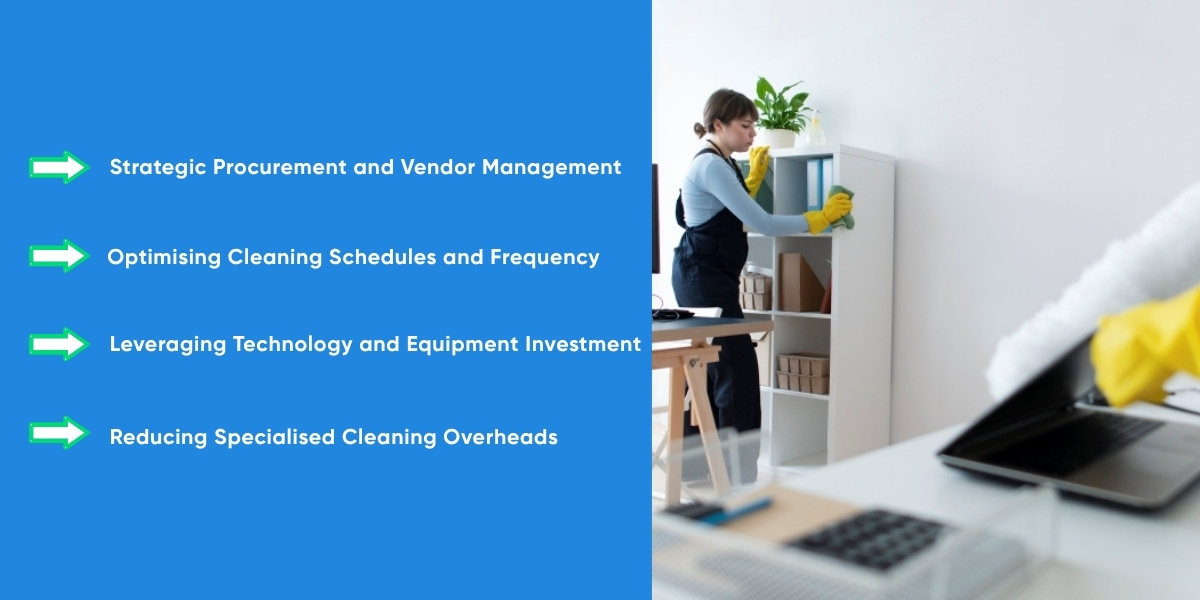
Step 3: Leveraging Technology and Equipment Investment
Tech upfront costs pay back fast. Tools cut time and waste in cleaning tasks. Plan for items that last years.
Investing in Energy-Efficient and Automated Equipment
Buy auto scrubbers for large floors. They cover space faster than mops, saving 30% on labour. Battery vacuums run quietly and charge overnight.
Smart dispensers mix cleaners correctly. This uses less soap per job. In Sydney's humid air, these tools keep gear dry and ready.
Weigh costs: a $2,000 scrubber pays off in six months through fewer hours. Partner with providers who supply or rent them.
Digital Management Systems for Cleaning Operations
Apps track crew schedules and tasks. Techs log arrival and finish times. You see real work done, not estimates.
These systems flag delays early. Compliance checks ensure safe methods. Cut admin time by half with auto reports.
Many commercial cleaning services use them now. Ask yours to share access. It builds trust and spots savings spots.
Chemical Management and Bulk Purchasing Strategies
Buy cleaners in large drums. Concentrated types last longer, dropping the cost per clean. Green options clean well and meet Sydney's eco rules.
Store them safely to avoid spills. Train staff on dilute rates. This halves usage without losing power.
Shop from local suppliers for deals. Bulk buys save 20-40% yearly. Tie this to your SLA for best results.
Step 4: Reducing Specialised Cleaning Overheads
Special jobs like carpet cleaning add up quickly. Prevent issues by spacing them out. Focus on daily care to avoid big bills.
Smart Strategies for Extending Carpet Life
Place mats at doors to trap dirt. This cuts tracked-in soil by 80%. Enforce no shoes in carpeted zones like boardrooms.
Schedule bonnet cleans monthly. It buffs surface dirt without full extraction. Full carpet cleaning every six to nine months works for most offices.
Vacuum daily with good filters. This keeps fibres clean longer. These steps extend carpet life by years, saving thousands.
- Use entry mats in all high-traffic doors.
- Set shoe rules for key areas.
- Opt for dry methods between deep cleans.
Reducing Deep Cleaning Frequency Through Maintenance
Sweep hard floors each day. Mop weekly to stop buildup. This avoids strip and wax jobs every year.
For carpets, spot-treat stains fast. Routine care means deep steam cleans twice yearly at most. Link maintenance to your schedule audits.
Staff habits help here. Quick daily passes keep grime low. You cut specialised calls by 50%.
Efficient Window Cleaning Cycles
Time exterior cleans for dry seasons. Sydney's winter offers clear days before rain streaks. Clean every three months, not after every storm.
Use extendable tools for the inside. Staff can handle light dust between pro visits. Align with your tier system.
Providers charge less for planned cycles. This keeps views sharp without extra fees.
FAQ: Navigating Office Cleaning Costs in Sydney
What is the average hourly rate for commercial cleaning in Sydney in 2026?
Rates sit at $35 to $50 per hour. This covers basic tasks in mid-sized offices. Low bids under $30 often skip quality checks, leading to higher long-term costs.
How often should my office carpets be professionally cleaned?
Clean high-traffic carpets every six months. Low-use areas need it yearly. Add mats and daily vacuums to stretch intervals.
Can I save money by using in-house cleaners versus commercial cleaning services?
In-house costs more when you add insurance, tools, and training. Outsourcing averages 15-20% less overall. Pros handle peaks without full-time pay.
What is the single most effective step for immediate savings on office cleaning?
Audit your current schedule against usage data. Cut hours in quiet zones right away. This yields quick wins without big changes.
Conclusion: Sustaining Savings in Sydney's 2026 Market
Cut office cleaning Sydney costs with smart steps. Start with vendor picks like Hope Cleaning Services for steady deals. Use data for schedules and tech for efficiency.
Focus on carpet cleaning, prevention and staff roles. These levers drop bills 20-40% over time. Partner closely with providers for ongoing tweaks.
Key takeaways
- Negotiate SLAs with fixed rates and penalties.
- Audit schedules to match real use.
- Invest in auto tools and bulk supplies.
- Train staff for spot cleans and waste sorting.
Contact a trusted service today. Lock in 2026 savings now.