Childcare Cleaning Checklist: Ensuring Safety in Sydney Childcare Centres
In a bustling childcare centre, one slip in hygiene can spread illness to dozens of little ones. Parents trust you to keep their children safe, and regulators demand strict standards to match. A solid childcare cleaning checklist isn't just a nice-to-have—it's your blueprint for health, compliance, and peace of mind, especially under Sydney's tight rules from the National Quality Framework.
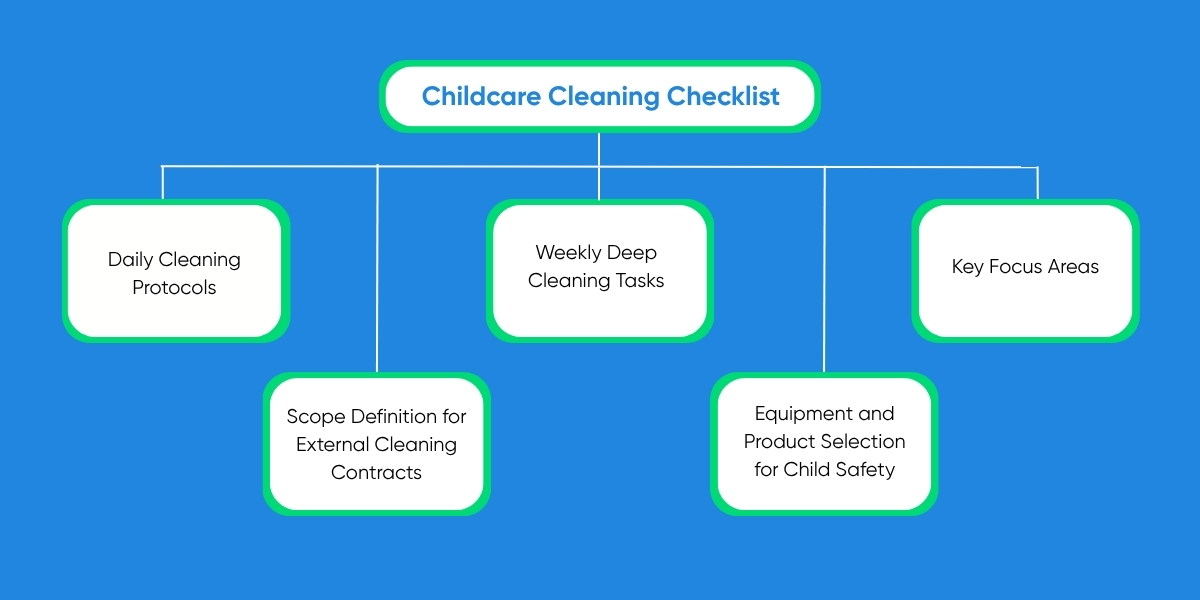
Foundation of Safety – Daily Cleaning Protocols
Daily routines form the backbone of any effective childcare cleaning checklist. They stop germs before they take hold. Focus on quick, consistent actions that fit into the day's flow.
High-Traffic Surface Disinfection
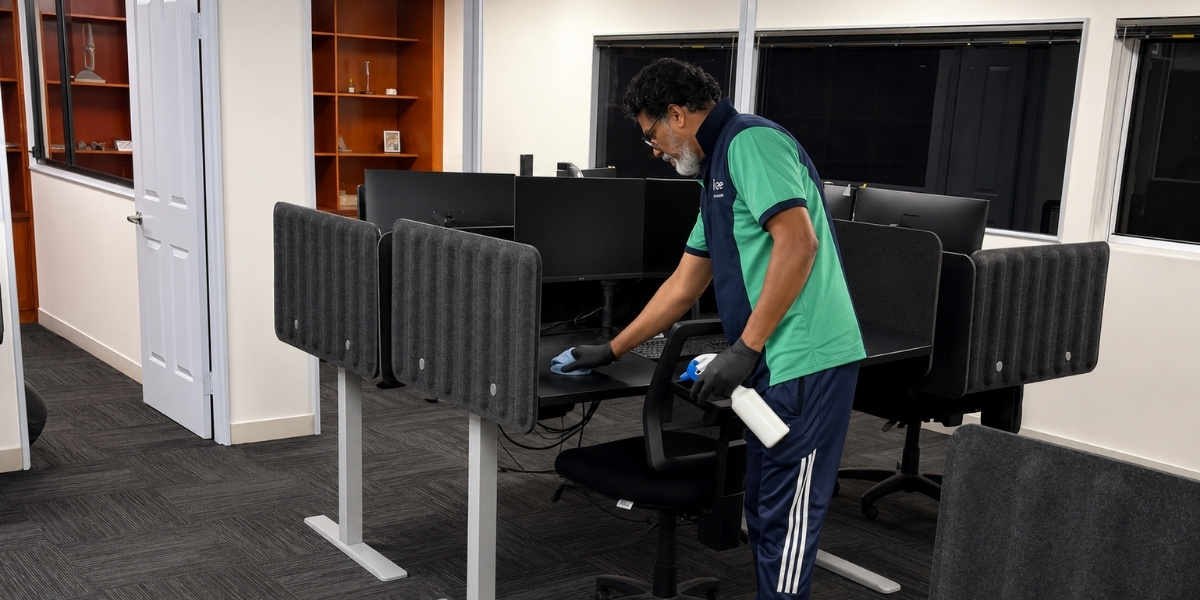
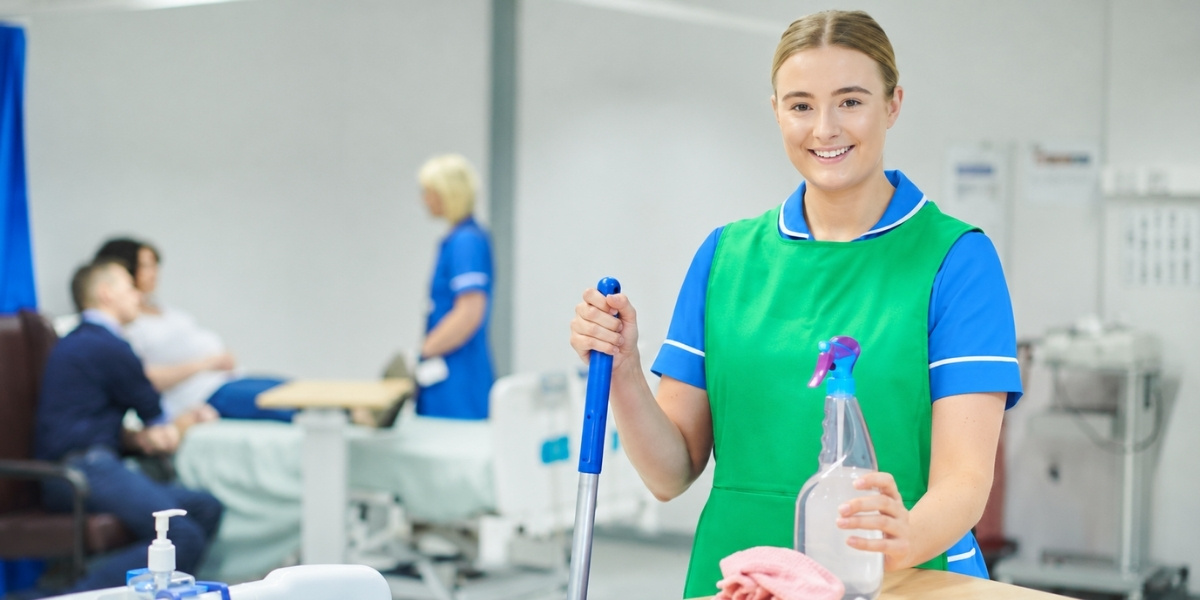
Wipe down doorknobs, light switches, and tabletops at least twice a day. Shared toys see heavy use, so spot-clean them after each group activity. Use TGA-registered disinfectants that are safe for kids—these kill 99.9% of bacteria without harsh fumes. In Sydney centres, this aligns with ACECQA's Quality Area 2, which stresses clean environments to curb infections.
Colour-code your clothes: blue for general areas, yellow for food zones. This simple step cuts cross-contamination risks. Staff should apply the solution, let it sit for the full dwell time—often 10 minutes—then rinse if needed.
Restroom and Nappy Change Area Sanitation
Start each morning by scrubbing sinks and toilets with a mild detergent. For nappy changes, disinfect mats after every use and empty bins promptly to avoid odours. Wear gloves and wash your hands for 20 seconds afterwards, as per NSW Health guidelines.
Accidents happen fast, so keep wipes and fresh liners handy. In high-use spots like these, daily deep cleans E. coli spread, a common worry in childcare environments. Document each task in a log to ensure compliance during inspections.
Toy and Equipment Rotation and Sanitisation
Separate toys into clean and dirty piles at the end of playtime. Wash hard plastics in soapy water, then disinfect soft ones like stuffed animals weekly. Rotate stock so not all items get handled at once—this keeps things fresh and manageable. Cleaning removes dirt, but sanitising kills germs on contact. For large collections, use a tub system: submerge batches in a disinfectant bath for five minutes.
Comprehensive Weekly Deep Cleaning Tasks
Weekly sessions tackle what dailies miss. They build on routines for a thorough reset. Schedule them during quiet hours to avoid disruptions.
Detailed Floor Cleaning Regimens
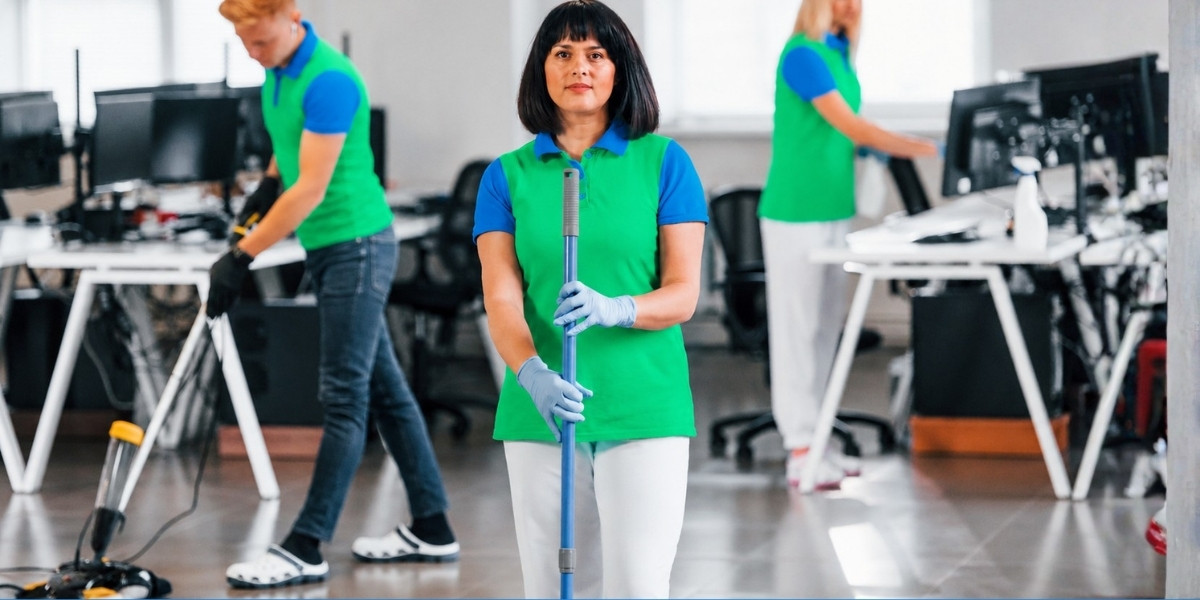
Floors take the brunt in childcare centres, from sticky spills to tracked-in dirt. Vacuum carpets daily, then steam clean them weekly to remove allergens. For hard surfaces like vinyl, mop with a neutral cleaner, followed by a disinfectant pass.
In Sydney, low-slip floors are standard for safety—scrub them gently to preserve traction. Use a microfiber mop head that traps dust without spreading it. Spot-treat stains right away; for tough spots, a baking soda paste works well before rinsing. This floor cleaning approach meets SafeWork NSW rules and keeps slips down.
HEPA-filter vacuums are a must—they capture fine particles that regular ones miss. Aim for edge-to-edge coverage, including under furniture. Clean floors this way weekly to maintain air quality and reduce asthma triggers.
Kitchen and Food Preparation Area Overhaul
Empty and wipe fridge shelves every Friday, checking for expired items. Scrub counters and stovetops with food-safe sanitisers that meet FSANZ standards. Disinfect high-chairs and sinks to block bacteria from meals.
Appliances like microwaves harbour splatters—run a vinegar cycle inside to freshen them. Stock rotates fast, so clean storage bins too. These steps ensure no cross-over from play areas to eating spots, vital for allergy-prone kids.
Dry everything thoroughly to prevent mould. In centres serving snacks, this weekly overhaul supports hygiene ratings under the National Quality Standard.
Soft Furnishings and Textile Management
Launder nap mats and cushions mid-week if used daily. Vacuum upholstery to suck up crumbs and hair. For curtains, shake them out and spot-clean marks.
Deep vacuum soft seating with attachments for crevices. Wash textiles in hot water—60°C kills most germs. Schedule full laundry bi-weekly, or more in flu season. This keeps fabrics fresh and free of dust mites. It's a key part of the childcare cleaning checklist for allergy control.
Mastering the Childcare Cleaning Checklist: Key Focus Areas
A great checklist adapts to seasons and spaces. Target weak spots for full coverage. Track progress to spot patterns.
Critical Infection Control Points (Cold & Flu Season)
Ramp up wipes in winter—disinfect toys twice daily. Isolate sick bays and clean them separately. Focus on doorknobs and keyboards where viruses linger.
Use EPA-approved sprays with quick kill times. In Sydney, where winters hit hard, this cuts absences by following ACECQA illness prevention tips. Train staff on handwashing stations near each zone.
Separate cleaning tools per room to block germ travel. Logs help prove you acted fast during outbreaks.
Outdoor Play Area Maintenance
Hose down slides and swings weekly, scrubbing rust spots. Rake sandpits to remove debris, then sift for safety. Disinfect climbing frames with child-safe sprays.
Check for sharp edges after cleaning. In the Australian sun, UV helps, but manual effort counts. NSW regs require this to match indoor standards—wet areas get extra anti-slip treatment.
Drain puddles promptly to avoid mosquito breeding. This extends playtime safely year-round.
Documentation and Compliance Tracking
Keep a daily log: date, task, staff initial. Use apps for photos of cleaned areas. Review monthly to tweak weak points.
In Sydney, ACECQA audits demand proof—digital trails make it easy. Train everyone on the system for consistency.
This builds trust with parents and passes inspections without stress.
When to Engage Commercial Cleaning Services
In-house efforts work, but pros handle the heavy lift. Know when to call in help for peak standards.
Identifying Gaps in In-House Cleaning Capabilities
Staff juggle kids and cleans—deep floor cleaning often falls short. Large centres need gear like industrial scrubbers. If logs show skips, it's time for experts.
Special tasks like post-illness fogging exceed daily skills. In busy Sydney spots, time crunches amplify gaps.
Benefits of Partnering with Experts
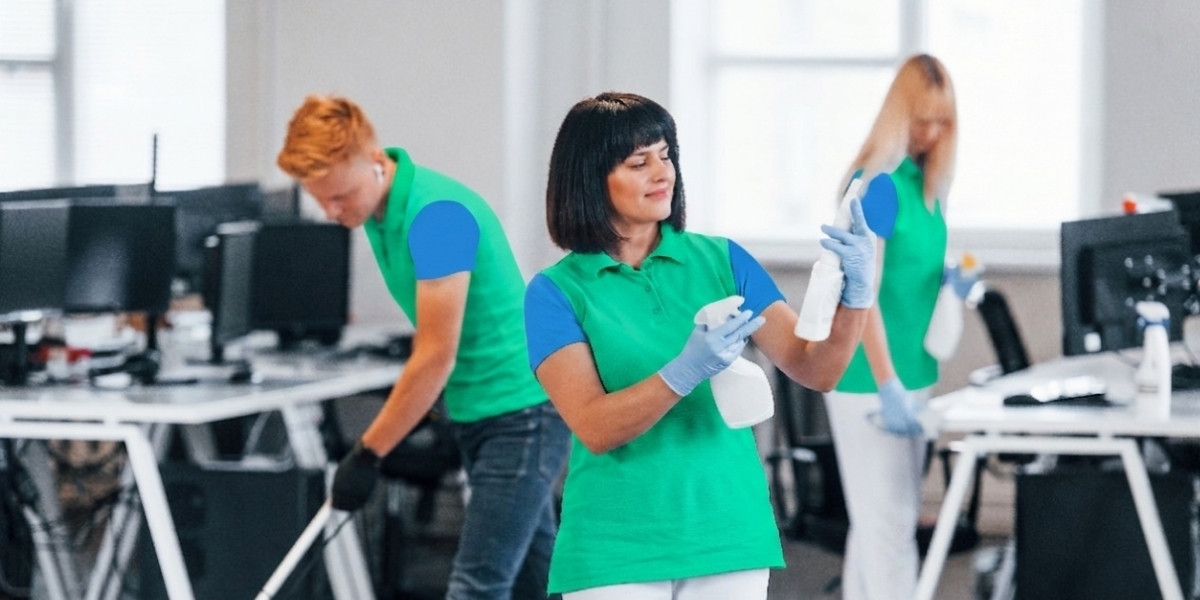
Commercial cleaning services bring trained teams and eco-friendly tools. They ease staff load, letting educators focus on kids. Hope Cleaning Services in Sydney uses TGA-approved products for childcare, ensuring safe, thorough jobs.
Their after-hours slots fit centre hours. Clients see fewer illnesses and higher ratings. Local knowledge covers Sydney's humidity challenges, too.
Scope Definition for External Cleaning Contracts
List daily wipes, weekly floors, and monthly deep cleans in the agreement. Require public liability insurance and child-safe certs. Specify after-hours work and eco-products.
Include performance checks every quarter. This locks in value for your centre's budget.
Equipment and Product Selection for Child Safety
The right tools make cleaning efficient and safe. Choose wisely for long-term wins.
Selecting Appropriate Disinfectants and Sanitisers
Pick APVMA-registered options like hydrogen peroxide blends—non-toxic and effective. Check labels for child areas; avoid ammonia scents. Dwell times vary—follow them for full germ kill.
TGA lists help: search for low-VOC sprays. Test small areas first to ensure no residues.
Essential Cleaning Tools for Efficiency
Microfiber cloths grab dust without chemicals. Colour-code: red for bathrooms, green for outdoors. HEPA vacuums filter 99.97% of particles.
Invest in ergonomic mops for staff comfort. Buckets with wringers speed up floor cleaning tasks.
Frequently Asked Questions (FAQ) About Childcare Cleaning
How often should toys be sanitised in a daycare?
Sanitise hard toys daily after mouth contact, and all others weekly. Rotate batches to manage volume. This follows ACECQA guidelines for infection control.
What is the difference between cleaning, sanitising, and disinfecting?
Cleaning removes dirt with soap and water. Sanitising reduces bacteria by 99%. Disinfecting kills viruses and germs on contact—use it for high-risk spots like nappy areas.
Are there specific regulatory standards for childcare cleaning in Sydney?
Yes, NSW centres follow the National Quality Framework's Quality Area 2. Daily logs, safe products, and illness protocols are key. ACECQA oversees compliance checks.
Can standard off-the-shelf cleaners be used for daily floor cleaning?
Not always—pick ones labelled for commercial use in childcare. Avoid harsh domestic types; they may slip or leave residues. Opt for neutral, child-safe options from the TGA lists.
Conclusion: Sustaining a Benchmark for Child Safety and Cleanliness
A strong childcare cleaning checklist protects kids, boosts your reputation, and meets Sydney standards. Daily wipes, weekly deeps, and smart tools keep germs at bay. Partner with like Hope Cleaning Services when needed; it's an investment in health. Stick to logs and training for lasting results. Parents notice the difference, and so do regulators. Start today: review your routine and tweak for safety.