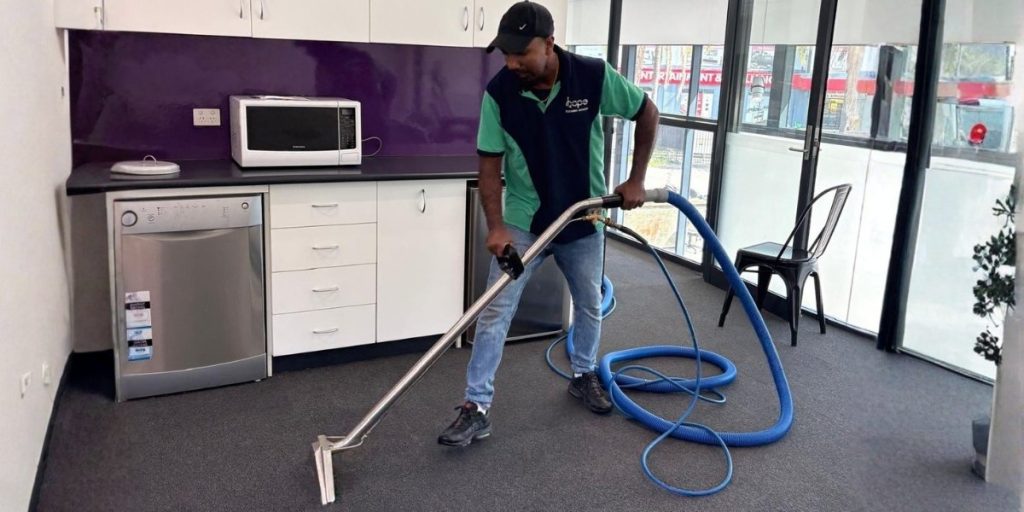
The Complete Guide to Building a Carpet Cleaning Schedule for Your Sydney Office
Dirty carpets are one of the most overlooked problems in Sydney workplaces. They trap allergens, harbour bacteria, and quietly undermine the professional image your business works hard to build. Yet without a structured carpet cleaning schedule, most offices either over-clean and waste money or under-clean and face premature carpet replacement. This guide walks you through exactly how to build a practical, cost-effective office carpet cleaning schedule tailored to Sydney's conditions so your floors stay fresh, your staff stay healthy, and your carpets last significantly longer.
Understanding Traffic Zones Before You Schedule Anything
The single biggest mistake office managers make is treating every area of their office the same. Before you set any office cleaning frequency, map your space into three distinct traffic zones.
High-traffic zones include lobbies, reception areas, corridors, lift foyers, and kitchen entries. These areas accumulate dirt fastest and require the most attention
- Vacuum weekly (at minimum)
- Interim clean monthly to lift embedded soiling
- Deep clean quarterly to restore fibre condition
Medium-traffic zones cover general open-plan office areas, meeting rooms, and shared workspaces. A more moderate schedule works here
- Vacuum fortnightly
- Interim clean monthly
- Deep clean quarterly
Low-traffic zones such as archive rooms, rarely used conference rooms, or executive offices with limited foot access need less frequent intervention
- Vacuum monthly
- Interim clean quarterly
- Deep clean annually
Mapping these zones first prevents you from either neglecting high-wear areas or spending unnecessarily on spaces that simply don't need it. It also makes it far easier to get accurate quotes from providers offering carpet cleaning services, since they can price per zone rather than applying a blanket rate across your entire floor plate.
Choosing the Right Cleaning Method for Each Situation
Not all carpet cleaning methods suit every situation, and selecting the wrong one can leave you with wet carpets during business hours, a real disruption in any Sydney office.
Hot water extraction (often called steam cleaning) delivers the deepest clean and is recommended for quarterly deep cleans. It flushes contaminants from deep within the carpet pile and is particularly effective for wool blends or heavily soiled areas. The main consideration is drying time: expect six to eight hours, which makes overnight scheduling essential. Aim for a 6:00 PM start to have carpets ready by the following morning.
Encapsulation cleaning suits interim cleans perfectly. A crystallising solution surrounds soil particles, which are then vacuumed away once dry. Drying time is just 30 to 60 minutes, making it practical during lunch breaks or after hours without requiring a full overnight window.
Dry compound cleaning uses no water at all, leaving zero dry time. It works well for maintenance cleans in low-traffic areas or for spot-treating sections that need attention between scheduled visits.
In Sydney, commercial carpet cleaning typically costs between $1.50 and $2.00 per square metre, depending on method, carpet condition, and access requirements. Knowing which method suits each situation helps you budget accurately and avoid paying for a deep clean when an interim service will do the job.
Factoring in Sydney-Specific Conditions
Sydney's environment directly influences how quickly office carpets deteriorate, and your office carpet cleaning schedule should account for local conditions rather than applying a generic template.
Seasonal factors play a significant role. Sydney winters bring rain and mud tracked in from footpaths and car parks, particularly in ground-floor offices. Consider adding an extra interim clean between June and August, especially in reception areas. Summer brings dust, pollen, and increased foot traffic from open doors and windows.
Industry type also matters. Professional services offices with suited staff generate far less soiling than construction or trade company headquarters, where work boots and outdoor clothing are the norm. Medical and childcare facilities require stricter schedules for hygiene compliance.
Carpet colour and fibre type affect how quickly dirt becomes visible. Light-coloured carpets in loop pile constructions show soiling faster and may need interim cleans more frequently than dark, cut-pile alternatives, even under identical traffic conditions.
Finally, consider your building's proximity to construction zones as a persistent reality across central Sydney and its growing suburbs. Airborne dust from nearby sites settles into carpet fibres quickly, accelerating the need for vacuuming and interim maintenance.
Extending Carpet Life and Managing Costs
A well-maintained commercial carpet cleaning Sydney programme does more than keep floors looking presentable, it protects a significant capital investment. Research consistently shows that carpets maintained on a structured schedule last 40 to 60 per cent longer than those cleaned reactively or sporadically.
To maximise this return, pair your professional cleaning schedule with sound day-to-day practices
- Place high-quality entrance matting at all building entry points to trap up to 80 per cent of incoming soil before it reaches carpet.
- Establish a no-food-at-desks policy to reduce liquid and food spills.
- Attend to spills immediately using appropriate spot-treatment products.
- Rotate furniture periodically to distribute wear patterns evenly.
Many Sydney businesses work with providers like Hope Cleaning Services to set up scheduled programmes that combine vacuuming, interim maintenance, and deep cleans under a single annual agreement, simplifying administration while ensuring nothing is overlooked.
Track carpet condition with photographic records taken after each clean. This gives you an objective baseline for assessing wear over time and helps justify budget requests when replacement eventually becomes necessary.
Frequently Asked Questions
How often should office carpets be professionally deep-cleaned in Sydney?
Most Sydney offices benefit from a deep clean every three months for high-traffic areas and annually for low-traffic zones. Quarterly cleaning prevents heavy soil build-up, extends carpet life, and maintains a hygienic environment for staff and visitors throughout the year.
What is the best time to schedule commercial carpet cleaning in an office?
Overnight scheduling between 6:00 PM and midnight works best for methods like hot water extraction, which require six to eight hours of drying time. Encapsulation cleans can be completed during a lunch break, as carpets dry within 30 to 60 minutes.
Does a regular carpet cleaning schedule actually save money long-term?
Yes. Structured maintenance extends carpet life by 40 to 60 per cent compared to reactive cleaning. Replacing commercial carpet is significantly more expensive than maintaining it, making a consistent schedule one of the more cost-effective decisions an office manager can make.
Conclusion
Building a carpet cleaning schedule for your Sydney office isn't complicated, but it does require thinking carefully about traffic zones, cleaning methods, local conditions, and long-term carpet preservation. A tiered approach combining regular vacuuming, periodic interim cleans, and quarterly deep cleans keeps costs predictable while protecting your investment. Adjust frequencies seasonally, account for your industry's specific demands, and pair professional visits with strong day-to-day habits. When in doubt, a professional assessment from an experienced provider such as Hope Cleaning Services can help you build a programme that fits your space precisely.