Top Childcare Cleaning Tips and Tricks Every Centre Must Follow
Maintaining a clean and hygienic environment in childcare settings is not just a best practice, it's essential for children’s health and safety. Whether you're managing a daycare, preschool, or nursery, adopting the right Childcare Cleaning Tips can drastically reduce the spread of germs and illnesses.
To ensure a spotless and germ-free space, from daily cleaning routines to deep-cleaning strategies, these methods will help you create a healthier environment for kids.
Key Childcare Cleaning Tips
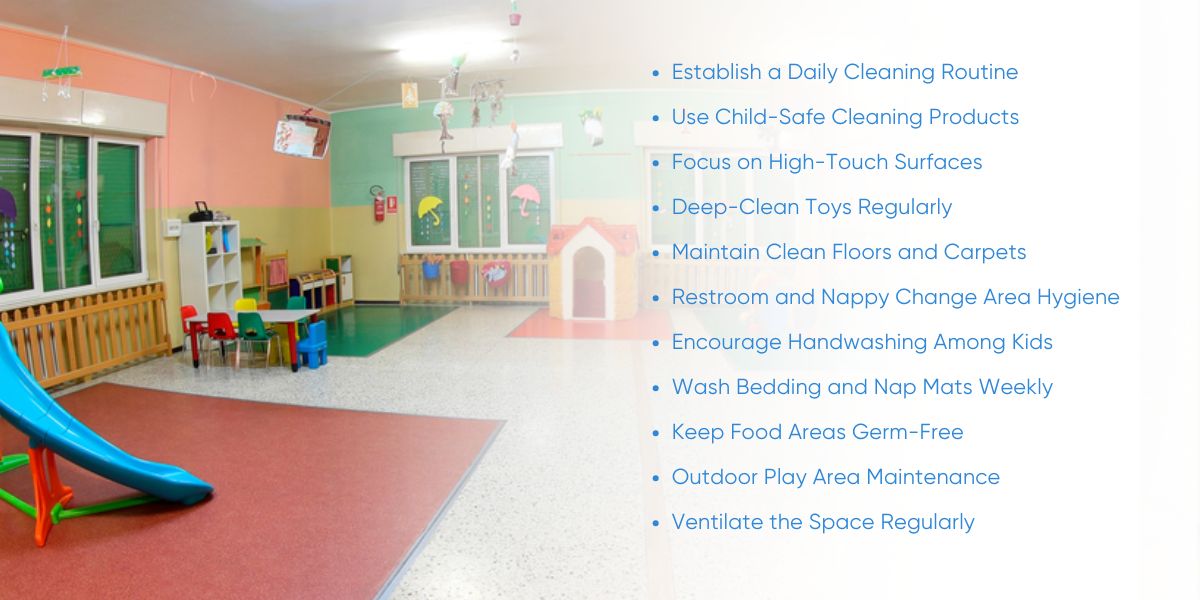
1. Establish a Daily Cleaning Routine
Consistency is key when it comes to childcare cleaning. A structured daily routine ensures that high-touch surfaces and play areas remain sanitized.
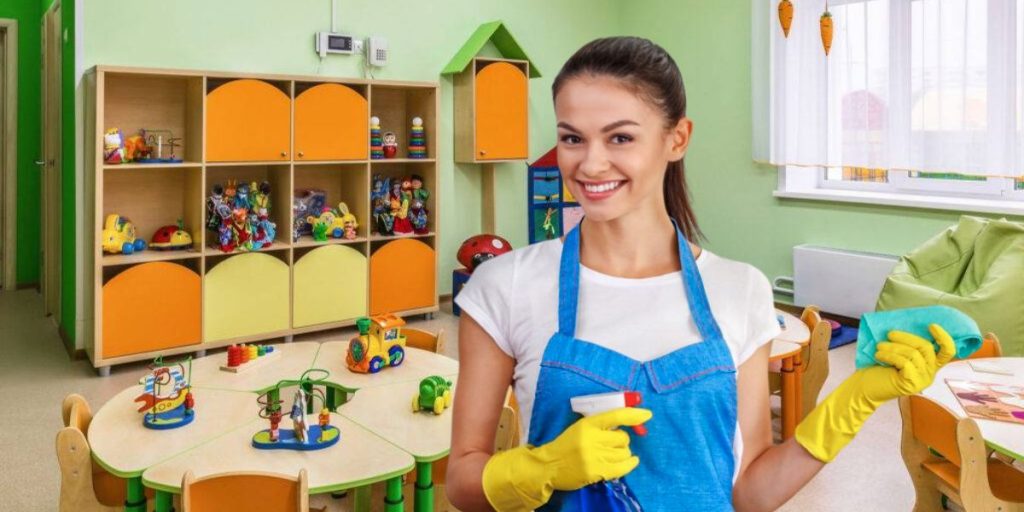
Start by wiping down tables, chairs, and toys with child-safe disinfectants. Sweep and mop floors to remove dirt and allergens. Don’t forget to clean doorknobs, light switches, and faucet handles, as these are common germ hotspots.
Daily Cleaning Checklist
- Disinfect tables and chairs after meals
- Clean and sanitize toys at the end of the day
- Sweep and mop floors
- Wipe down high-touch surfaces (doorknobs, switches)
- Empty trash bins regularly
2. Use Child-Safe Cleaning Products
Many commercial cleaners contain harsh chemicals that can be harmful to children. Opt for non-toxic, eco-friendly cleaning products that are safe yet effective.
Look for cleaners labelled as "green" or "child-safe." You can also make natural solutions using vinegar, baking soda, and lemon juice. These ingredients are gentle but powerful enough to tackle germs without risking kids' health.
Child-Safe Cleaning Alternatives
- Vinegar and water solution for glass and surfaces
- Baking soda paste for scrubbing stains
- Lemon juice for disinfecting and deodorizing
- Hydrogen peroxide (3%) for sanitizing toys
3. Focus on High-Touch Surfaces
Children touch everything, making certain surfaces more prone to germs. Pay extra attention to:
- Toys Tables and chairs
- Door handles
- Light switches
- Play mats
Disinfect these areas multiple times a day, especially during flu season. Use microfiber cloths for better germ removal, as they trap bacteria more effectively than regular towels.
High-Touch Cleaning Routine
- Wipe toys after each use
- Sanitize tables before and after meals
- Disinfect doorknobs hourly in busy settings
- Clean play mats daily
4. Deep-Clean Toys Regularly
Toys are breeding grounds for bacteria. Plastic toys can be washed in warm, soapy water, while stuffed animals may need machine washing. For electronic toys, use disinfectant wipes (avoiding excess moisture).
Toy Cleaning Tips
- Soak plastic toys in a vinegar solution
- Machine-wash plush toys weekly
- Use a toothbrush for hard-to-reach toy crevices
- Air-dry toys completely before reuse
5. Maintain Clean Floors and Carpets
Kids spend a lot of time on the floor, so keeping it clean is vital. Vacuum carpets daily to remove dust and allergens. Mop hard floors with a child-safe disinfectant.
For spills, act quickly to prevent stains and bacteria buildup. Consider steam cleaning carpets monthly for a deeper sanitisation.
Floor Cleaning Tricks
- Use a HEPA-filter vacuum for better dust removal
- Mop with hot water and mild soap
- Spot-clean spills immediately
- Steam clean carpets periodically
6. Restroom and Nappy Change Area Hygiene
These areas require meticulous attention to prevent the spread of faecal-oral and other contagious diseases.
- Clean and disinfect all toilets, potty chairs, and sinks after each use or at regular intervals throughout the day.
- Nappy change tables must be cleaned and disinfected after every single nappy change.
- Ensure a designated, hands-free nappy disposal system is in place and emptied regularly.
- Stock and replenish soap dispensers, paper towels, and toilet paper.
- Thoroughly wash and sanitize any reusable potties.
7. Encourage Handwashing Among Kids
Teaching children proper handwashing reduces germ spread. Ensure sinks are stocked with soap and step stools for little ones. Make handwashing fun with songs or timers.
Handwashing Best Practices
- Use warm water and soap for 20 seconds
- Wash before meals and after playtime
- Supervise young kids to ensure proper technique
- Place hand sanitizer in accessible areas (for older kids)
8. Wash Bedding and Nap Mats Weekly
If your childcare space includes nap time, ensure bedding is washed weekly in hot water to kill dust mites and bacteria. Use hypoallergenic detergents to prevent skin irritation.
Bedding Cleaning Tips
- Wash sheets, blankets, and pillowcases weekly
- Sanitize nap mats with disinfectant spray
- Air-dry bedding in sunlight for natural disinfection
- Store clean bedding in sealed bags
9. Keep Food Areas Germ-Free
Dining areas must be cleaned before and after meals. Use separate cloths for food surfaces to avoid cross-contamination. Disinfect high chairs and booster seats daily.
Food Area Cleaning Checklist
- Wipe tables with food-safe disinfectant
- Clean high chairs after each use
- Sweep under tables to remove crumbs
- Wash dishes with hot, soapy water
10. Outdoor Play Area Maintenance
The cleanliness and safety of outdoor play areas are just as important as the indoor environment.
- Inspect all outdoor play equipment for cleanliness and safety.
- Wipe down slides, swings, and climbing structures with a safe cleaning solution.
- Remove any debris, leaves, or rubbish from the play area.
- Check sandpits for any foreign objects and ensure they are covered when not in use to prevent contamination.
11. Ventilate the Space Regularly
Fresh air reduces indoor germs and odors. Open windows when possible or use air purifiers with HEPA filters to improve air quality.
Air Quality Tips
- Open windows for at least 10 minutes daily
- Use air purifiers in enclosed spaces
- Replace HVAC filters every 3 months
- Avoid strong air fresheners (opt for natural scents)
Final Thoughts
By following these childcare cleaning tips and tricks, you can create a safer, healthier environment for children. Regular childcare cleaning services are the key to preventing illness and maintaining hygiene.
By implementing these comprehensive Childcare Cleaning Tips and considering the significant advantages of partnering with a professional commercial cleaning company, like Hope Cleaning Services, you can create a childcare environment that is not only spotlessly clean but also a safe, healthy, and thriving space for every child in your care.