What Does a Commercial Cleaner Actually Do on the Job?
When most people think of commercial cleaners, they picture someone vacuuming an office after hours. The reality is far more involved. Commercial cleaner responsibilities span daily hygiene maintenance, periodic deep cleaning, equipment management, hazard awareness, and strict compliance with workplace health and safety regulations. Whether operating in a corporate office, retail space, medical facility, or industrial warehouse, professional cleaners follow structured routines that keep workplaces safe, presentable, and legally compliant. This guide covers the key responsibilities of a commercial cleaner in detail, so facility managers and business owners understand exactly what the role involves.
Daily Cleaning Duties That Keep Workplaces Running
The foundation of any commercial cleaning services contract is the daily cleaning schedule. These recurring tasks ensure that high-traffic areas remain hygienic and presentable throughout the working week.
Surface Sanitisation and Disinfection
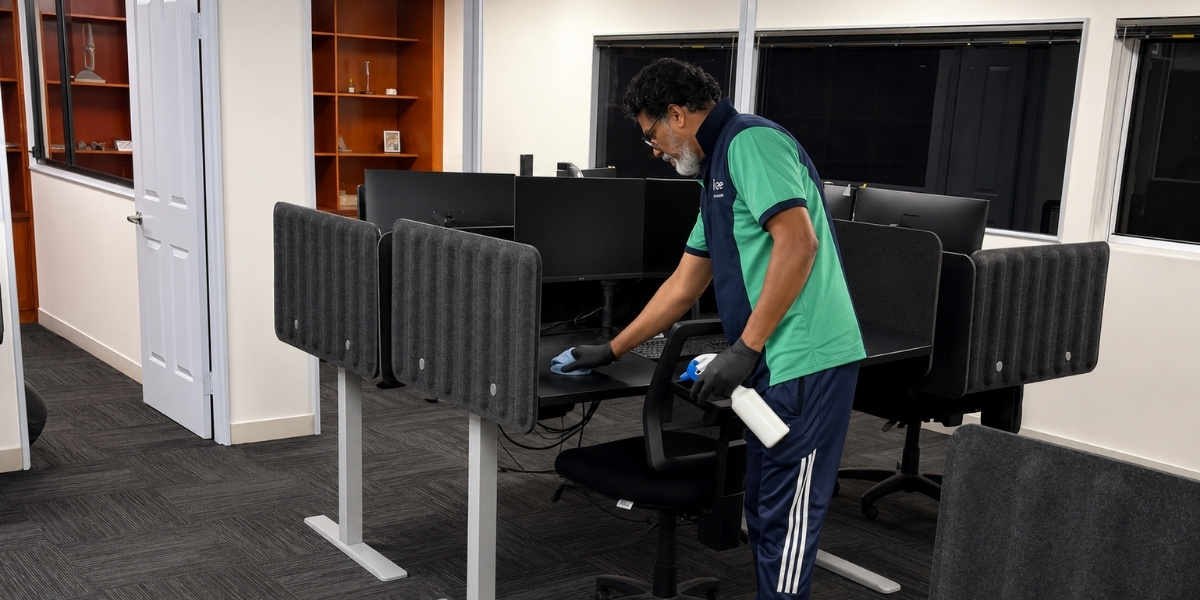
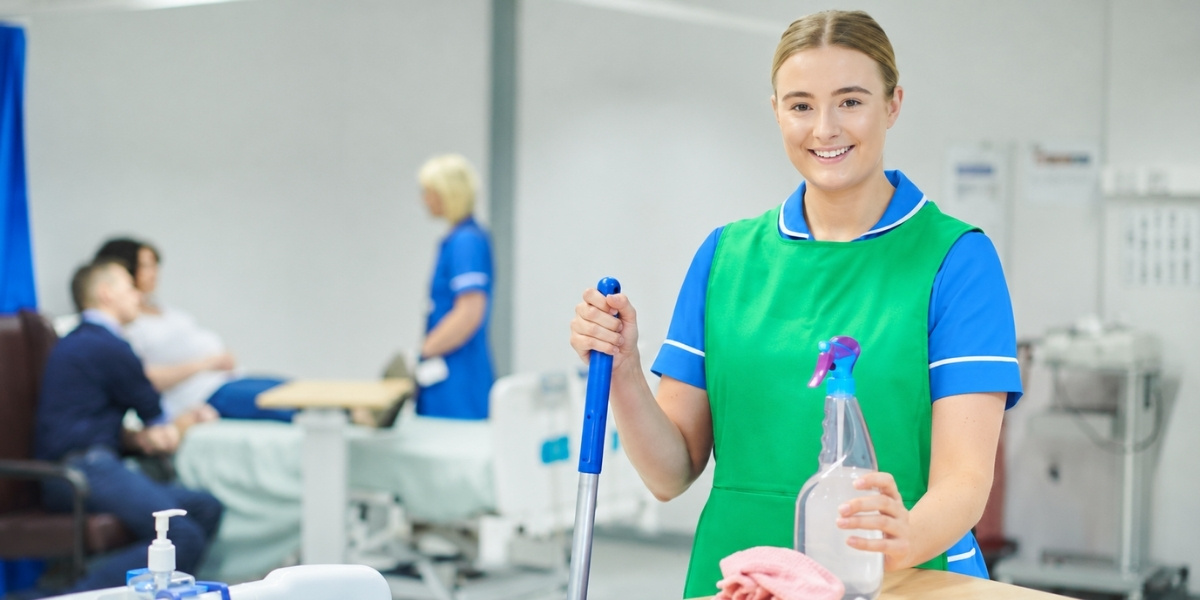
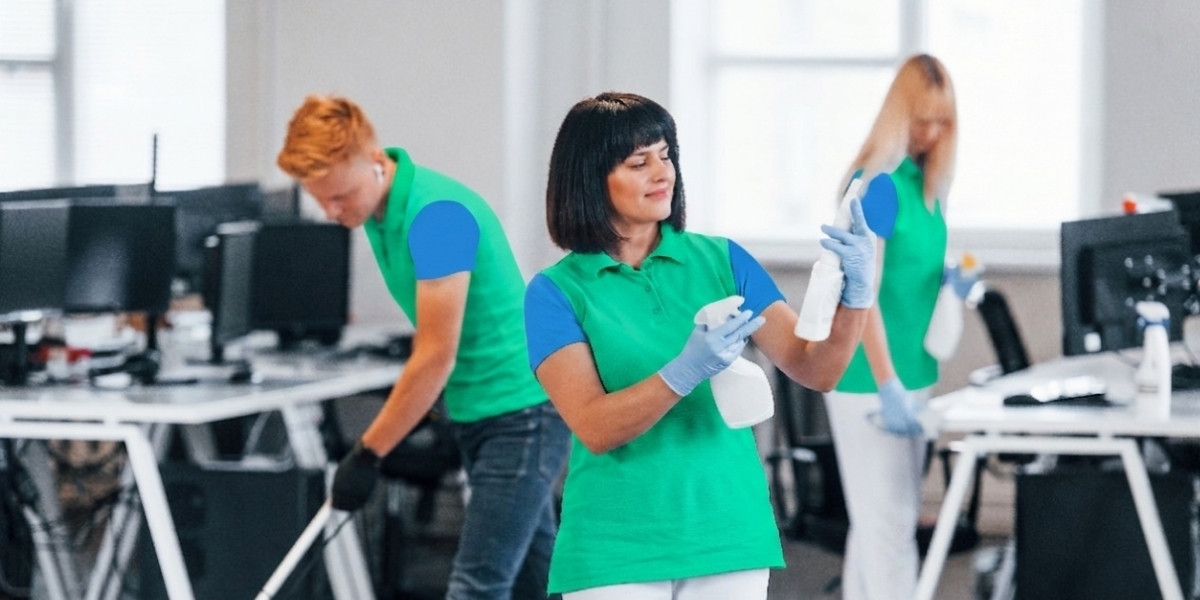
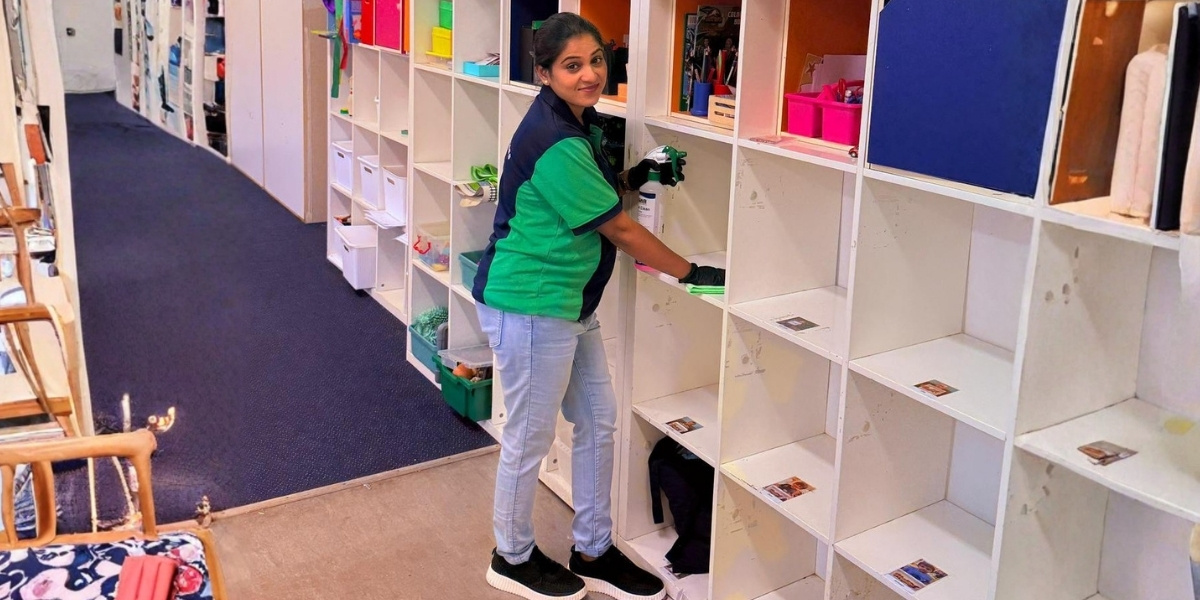
Desks, reception counters, kitchen benchtops, door handles, and shared equipment are all high-touch surfaces that accumulate bacteria rapidly. Commercial cleaners wipe down these surfaces daily using appropriate disinfectants, paying particular attention to communal areas such as break rooms and meeting rooms. In office cleaning environments, this task is typically performed after business hours to avoid disrupting staff. The choice of disinfectant depends on the surface material and the facility type — a medical practice requires hospital-grade products, while a standard office may use a general-purpose sanitiser.
Floor Care Across Different Surfaces
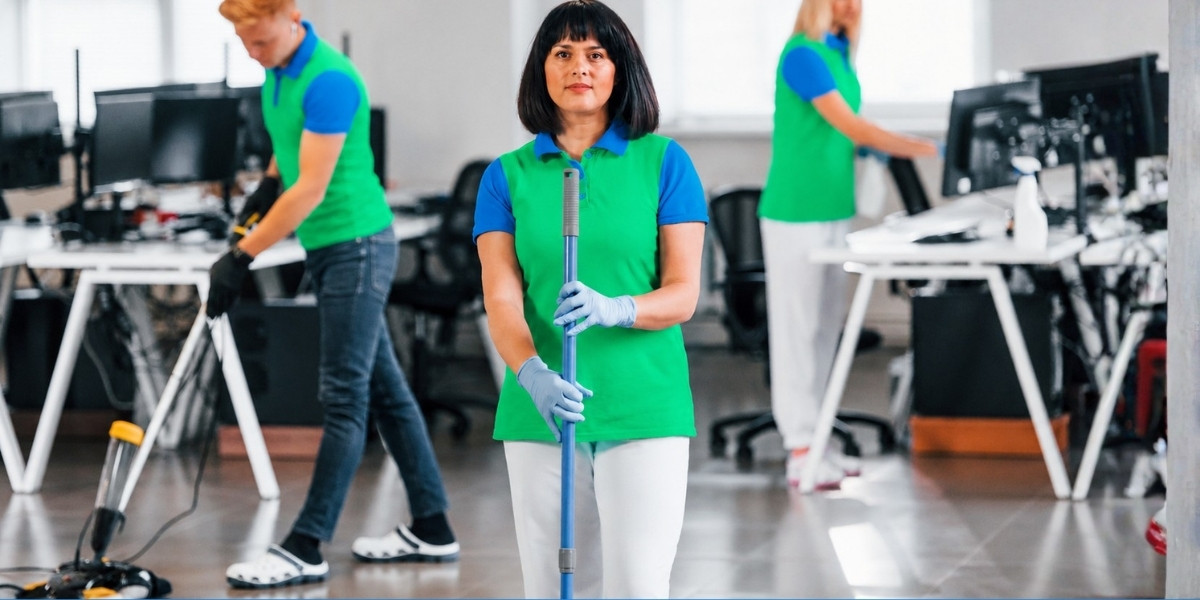
Floors take a beating in commercial spaces. Depending on the flooring type, daily care might include vacuuming carpet tiles, dust-mopping timber or vinyl floors, or spot-cleaning entrance mats that trap dirt from foot traffic. Cleaners assess the floor condition each shift and adjust their approach accordingly. Wet mopping is typically reserved for hard surfaces in kitchens, bathrooms, and corridors, using slip-resistant cleaning solutions that dry quickly to prevent workplace hazards. Maintaining clean floors is not just aesthetic — it directly reduces slip and trip risks, which are among the most common workplace injury categories in Australia.
Waste Management and Recycling
Emptying bins, replacing liners, and sorting recyclables are fundamental parts of commercial cleaners' responsibilities. In larger offices, this involves managing multiple waste streams, including general waste, paper recycling, co-mingled recyclables, and sometimes organic waste. Cleaners ensure bins are not overflowing, collection points are kept tidy, and contaminated recyclables are separated correctly. Correct waste management covers safely discarding cleaning chemical jugs, plus any hazardous substances found during on-site office operations.
Specialised and Periodic Responsibilities
Beyond daily tasks, the key responsibilities of a commercial cleaner include scheduled deep cleaning and specialist maintenance that keep facilities in top condition over time.
Deep Cleaning Schedules
Deep cleans go beyond surface-level maintenance to address built-up grime, hidden dust, and hard-to-reach areas that daily cleaning does not cover. This includes scrubbing grout lines, descaling bathroom fixtures, steam-cleaning kitchen exhausts, and thoroughly sanitising behind furniture and equipment. Most commercial cleaning services schedule deep cleans on a monthly or quarterly basis, depending on the facility size, foot traffic volume, and industry requirements. Providers like Hope Cleaning Services build these periodic cleans into their service agreements so nothing falls through the cracks.
Carpet and Upholstery Care
Carpets and upholstered furniture harbour allergens, dust mites, and bacteria that regular vacuuming alone cannot remove. Professional commercial cleaners use hot water extraction, encapsulation, or dry cleaning methods to restore carpet fibres and extend their lifespan. Office chairs, reception lounges, and fabric partitions also require periodic attention, particularly in Sydney’s humid climate, where mould and mildew can develop in soft furnishings if moisture is not managed properly.
Window and Facade Cleaning
Internal glass partitions, windows, and external facades accumulate fingerprints, dust, and weathering over time. Cleaning interior glass is a standard part of most office cleaning contracts, while external window cleaning typically requires specialist equipment and may involve working at heights. In commercial cleaning Sydney environments, coastal salt spray and urban pollution mean external windows often need attention more frequently than in regional areas.
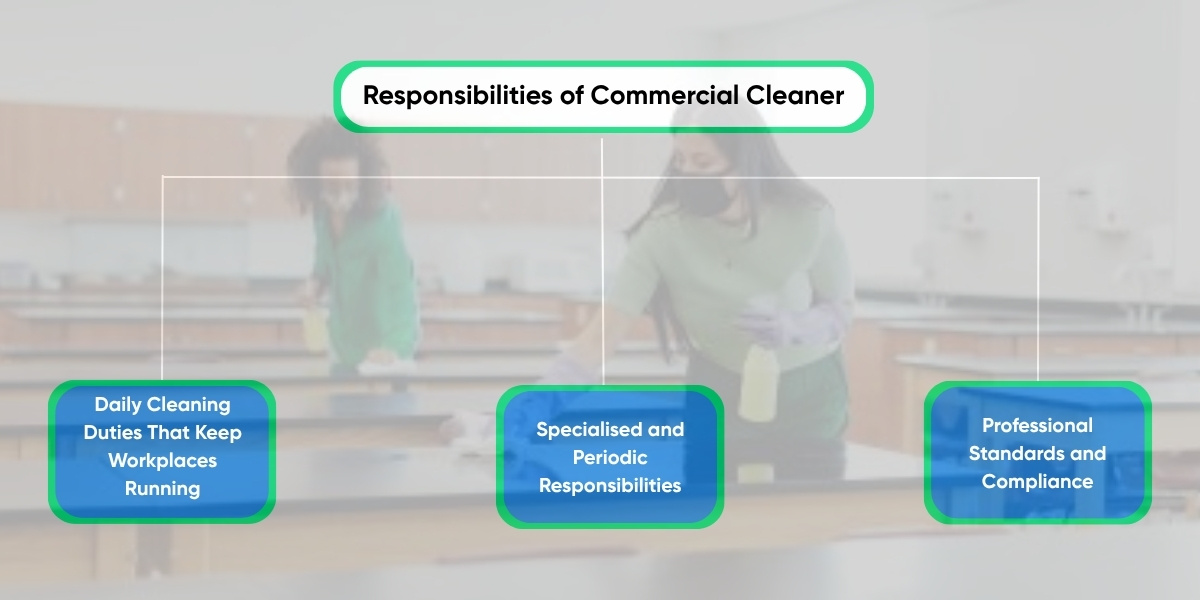
Professional Standards and Compliance
A professional commercial cleaner does far more than clean — they operate within a framework of legal and safety obligations that protect both themselves and the people who occupy the spaces they maintain.
WHS Compliance and Risk Awareness
In Australia, all commercial cleaners must work in accordance with the Work Health and Safety Act. This means conducting visual risk assessments before starting each shift, reporting hazards such as damaged flooring, exposed wiring, or leaking pipes, and using wet floor signage whenever mopping or applying liquid products. Cleaners working in specialised environments such as laboratories, food processing facilities, or aged care homes face additional compliance requirements that dictate specific cleaning protocols, product restrictions, and documentation standards.
Using Correct Personal Protective Equipment
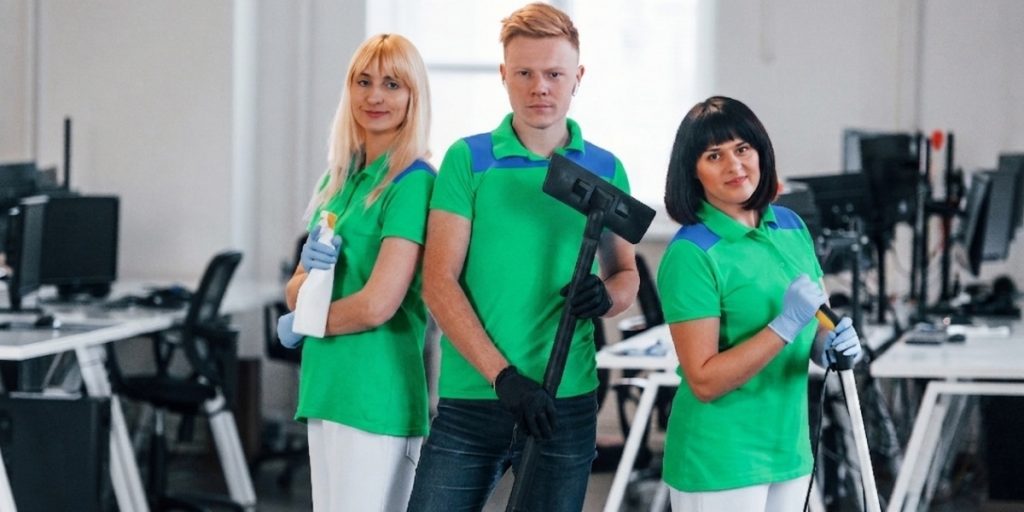
PPE is not optional in commercial cleaning. Gloves are the baseline for all tasks, but additional protection is required depending on the chemicals being used and the environment being cleaned. Safety goggles, face shields, non-slip footwear, and respiratory masks may all be necessary when handling concentrated disinfectants, stripping floor sealants, or cleaning areas contaminated with biological waste. Responsible cleaning providers ensure their staff are trained in correct PPE selection and replacement schedules.
Chemical Handling and Safety Data Sheets
Every cleaning chemical used on a commercial site must have a current Safety Data Sheet readily accessible. Commercial cleaner responsibilities include understanding dilution ratios, knowing which products must never be mixed, and following correct storage procedures for flammable or corrosive substances. Improper chemical handling is a leading cause of workplace incidents in the cleaning industry. A well-trained cleaner treats every product with the appropriate level of caution, regardless of how routine the task may seem.
Frequently Asked Questions
What qualifications does a commercial cleaner need in Australia?
There is no mandatory formal qualification, but most reputable employers require a Certificate III in Cleaning Operations or equivalent on-the-job training. White card certification may be needed for cleaners working on construction sites. First aid training, chemical handling competency, and WHS induction are considered standard across the industry.
How do commercial cleaning responsibilities differ between offices and industrial sites?
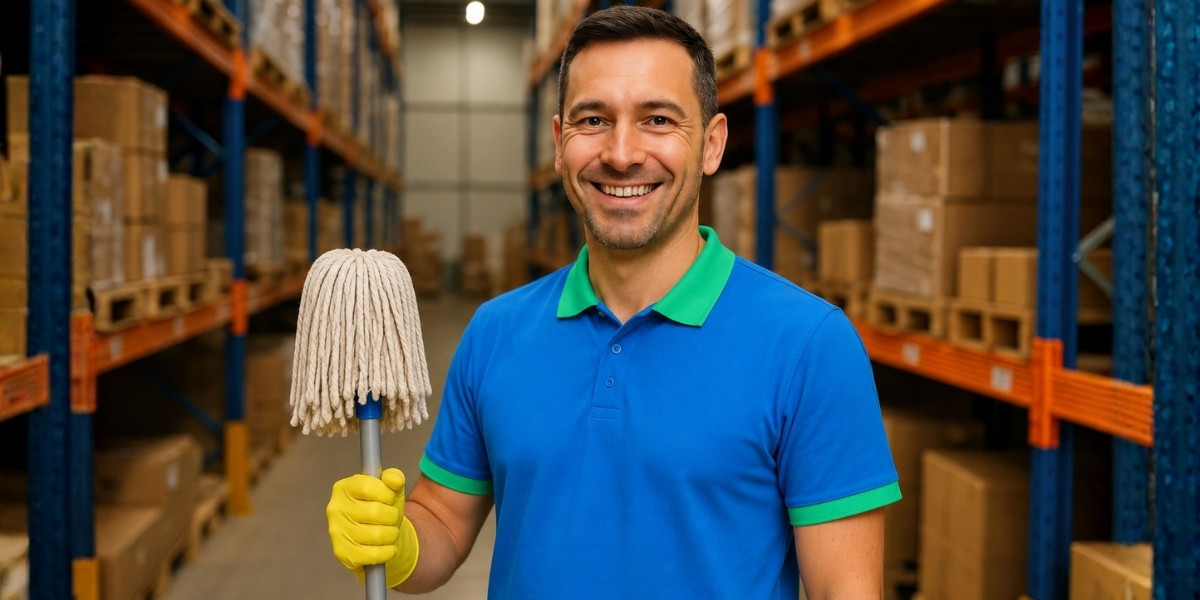
The core tasks overlap — surface cleaning, floor care, and waste management are universal. However, industrial sites typically involve heavier-duty equipment, stricter PPE requirements, and specialised procedures for handling oil, grease, or chemical spills. Office cleaning focuses more on presentation, hygiene in shared spaces, and maintaining a professional appearance for clients and visitors.
How often should a commercial space be professionally cleaned?
Most offices and retail spaces require daily cleaning five to six days per week, with deep cleans scheduled monthly or quarterly. High-traffic environments such as medical centres, gyms, and childcare facilities often need twice-daily attention. The frequency depends on occupancy levels, industry regulations, and the specific requirements outlined in the commercial cleaning services agreement.
Conclusion
The role of a commercial cleaner extends well beyond tidying up at the end of the day. From maintaining hygiene standards and managing waste streams to complying with WHS legislation and handling chemicals safely, the key responsibilities of a commercial cleaner are varied, demanding, and essential to the smooth operation of any business. Understanding these responsibilities helps facility managers set realistic expectations, build effective cleaning schedules, and recognise the professional skill that goes into keeping a commercial cleaning Sydney workspace safe and presentable day after day.