A Complete Guide to Commercial Cleaning Schedules for Workplaces
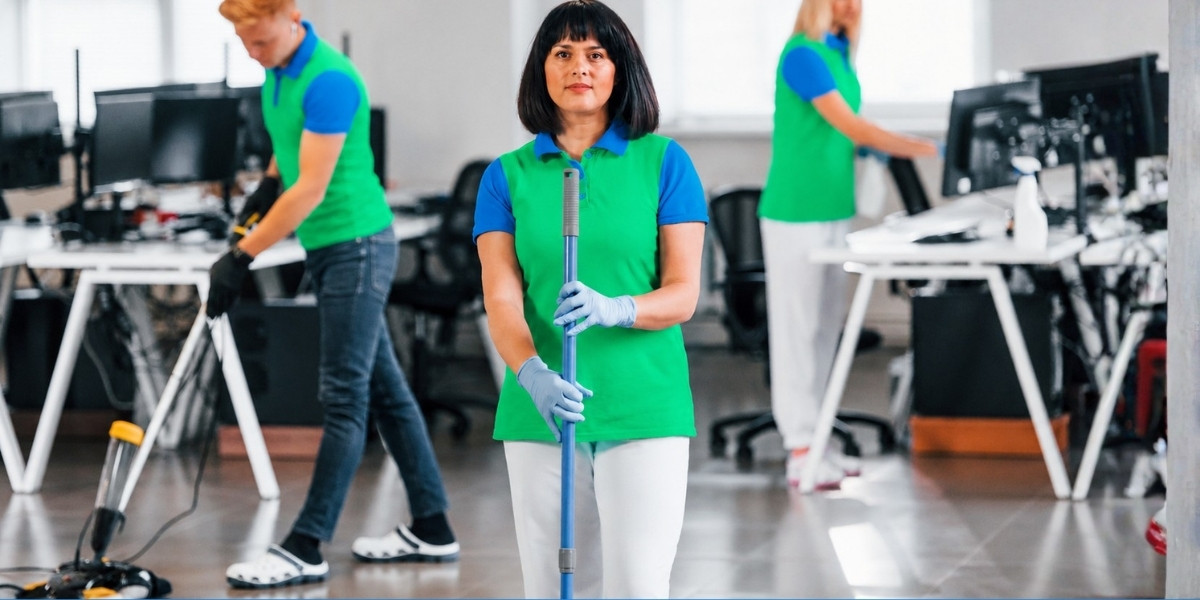
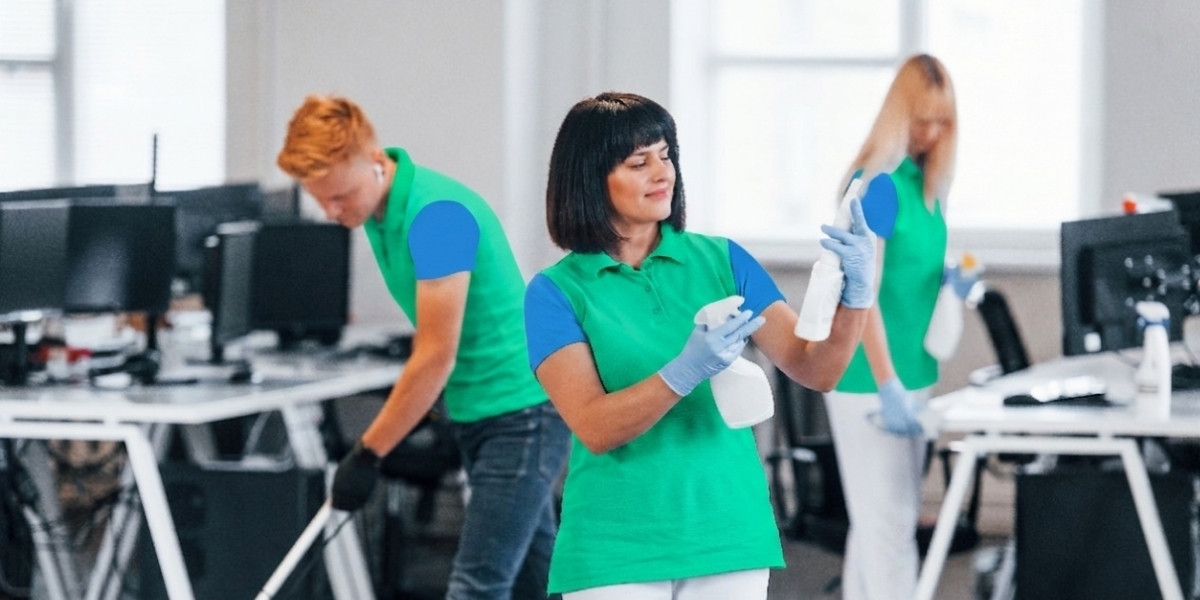
Morning light hits dust on desks just as easily as it does glass fronts – keeping things tidy matters more than most admit. Offices, shops, or co-working spots all rely on steady routines that few notice until they slip.
When plans lack shape, wiping down surfaces or emptying bins turns haphazard, then harder, then pricier each week. What looks small daily grows heavy when ignored.
This guide walks through commercial cleaning schedules, showing their effect on commercial cleaning costs for professional commercial cleaning services. Planning shapes what you pay and how well it gets done, especially if your company operates in Sydney.
Understanding Commercial Cleaning Schedules
A workspace stays cleaner when someone maps out the chores ahead of time.
Key Points
- Commercial cleaning schedules spell out which jobs get done, where they happen, and how frequently.
- Teams follow set patterns so nothing gets missed by accident.
- Regular upkeep helps meet health rules without wasting effort.
- Done right, it keeps surfaces fresh while using time wisely.
Starting fresh each week ensures attention spreads evenly through shared zones, bathrooms, halls, and doorways. A steady rhythm keeps dust from settling where people sit, meet, or pass by daily.
Why Office Cleaning Schedules Matter
A clean workspace shows care through steady habits.
Benefits of Following a Routine
- Improved workplace health and hygiene
- Reduced the spread of bacteria and allergens
- Better employee focus and productivity
- A professional and well-maintained environment
Other Advantages
- Fees for office cleaning schedules stay predictable, making it easier to plan around commercial cleaning costs.
- Helps fulfil health rules at work, especially in high-traffic areas.
- Regular upkeep prevents small issues from growing.
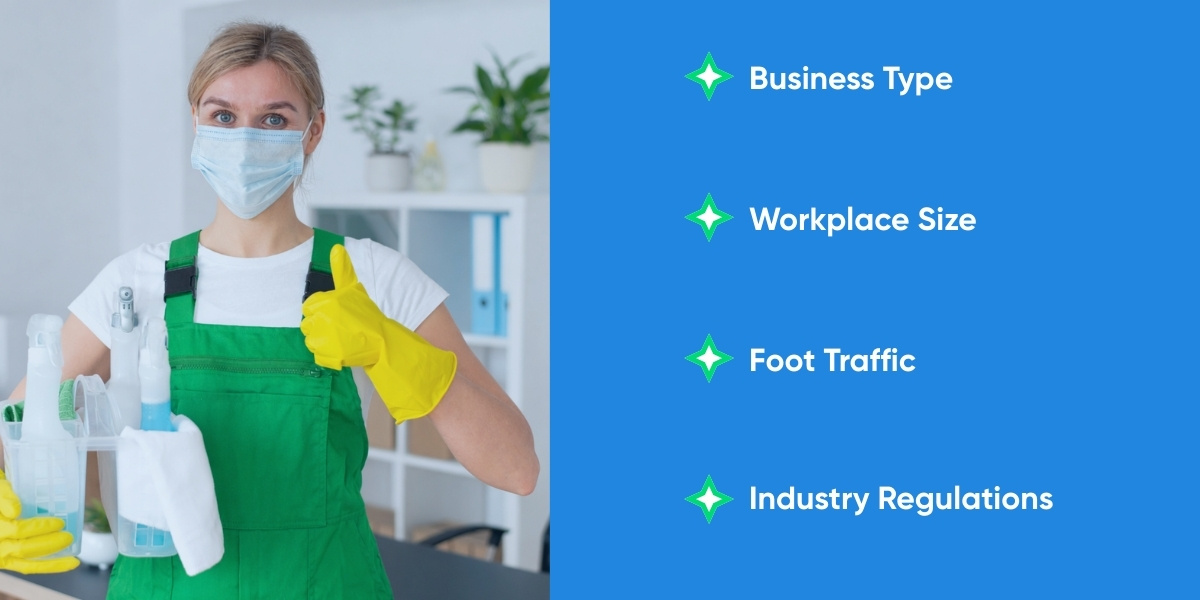
What Affects How Often Businesses Get Cleaned
Workplaces aren’t one-size-fits-all. Cleaning frequency depends on unique needs
1. Business Type
- Offices: basic wiping down
- Hospitals: deep disinfecting every few hours
- Shops: sweep daily
- Factories: deal with grime that sticks and spreads fast
2. Workplace Size
- Large workspaces: map out each cleaning step
- Small rooms: simpler but still benefit from a weekly plan
3. Foot Traffic
- Fewer people: mess builds up more slowly
- High-traffic areas (bathrooms, break rooms, entry zones): need frequent upkeep
4. Industry Regulations
- Certain fields have strict cleanliness rules
- Expert cleaners may be necessary
- Trained teams ensure safety standards are met
Daily Cleaning Tasks
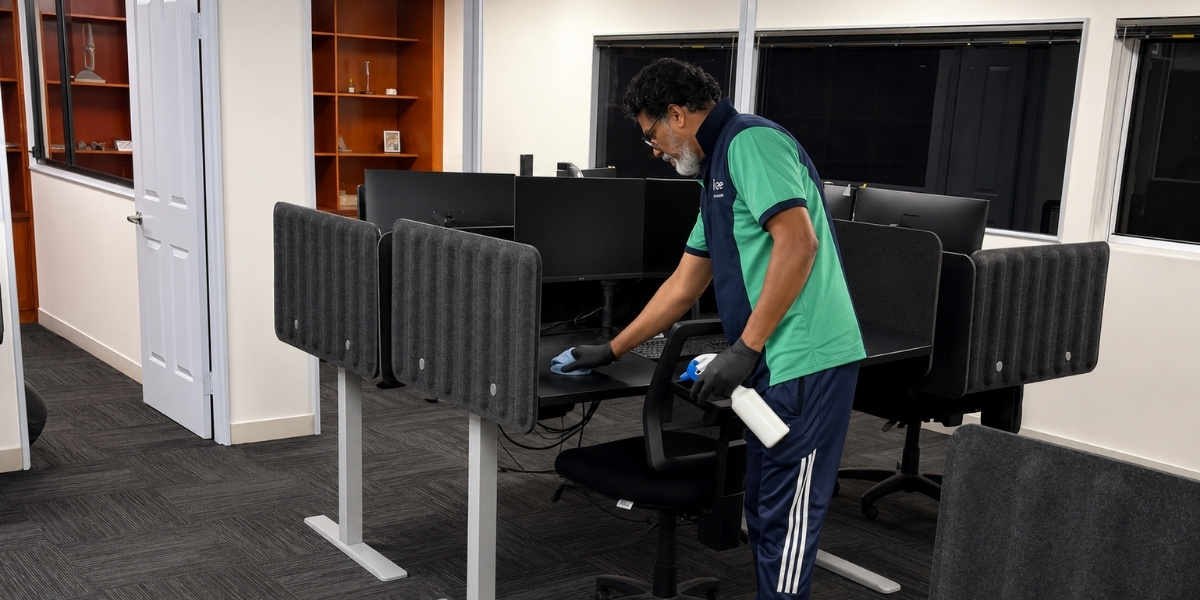
Mornings begin with daily office cleaning, wiping down often-touched spots to keep the area feeling clear. A cloth moves across door handles, light switches get attention, and desks feel less cluttered after a quick pass. Each touchpoint receives care, so the air seems lighter by noon.
Typical Daily Tasks
- Empty rubbish bins
- Clean and sanitise restrooms
- Sweep floors
- Mop areas near entrances
- Clean kitchen surfaces and sinks
- Check and wipe doors and light switches
Sticking to a set routine means workers keep things up without letting areas slip through the cracks. Over days, those overlooked places gather more mess than expected.
Weekly Cleaning Tasks
A few chores happen just weekly, yet they shape how clean everything feels. What sticks around isn’t constant effort - just timing that matters more than frequency. Even small efforts, spaced out, shift the whole look of a space. Not daily work, but rhythm keeps things from slipping too far.
Examples
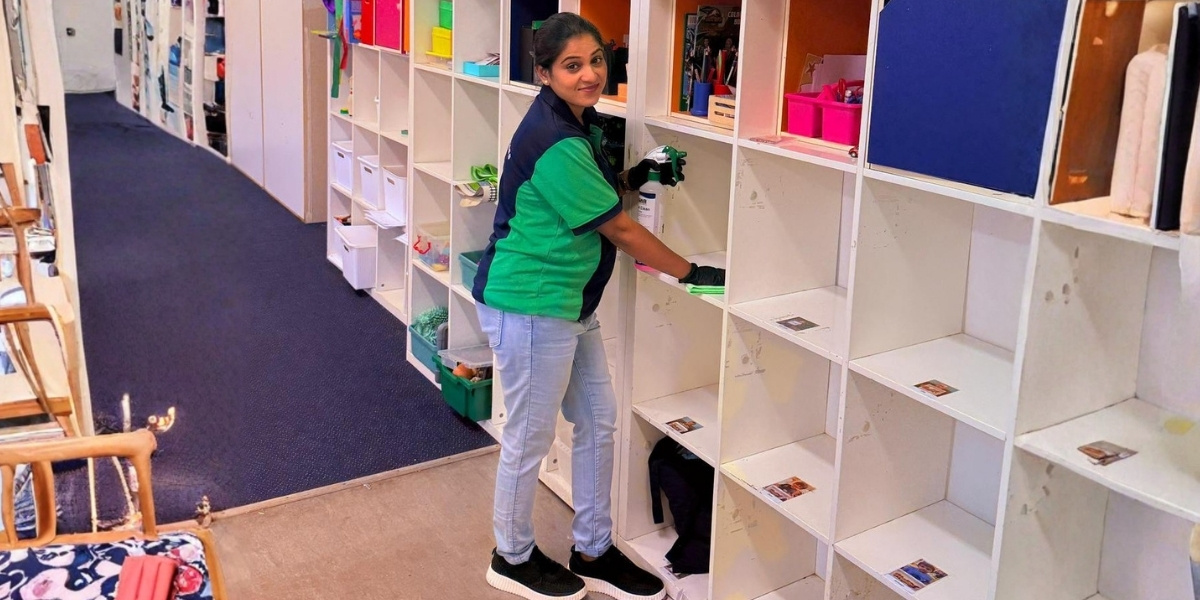
- Pick up dust on ledges, brush baseboards, and clear air vents to maintain a pristine, hygienic workspace.
- Clean glass partitions and mirrors
- Detailed floor cleaning (corners and edges)
- Deep clean kitchen appliances
Monthly and Periodic Cleaning Tasks
Focus on deeper maintenance
- Carpet steam cleaning
- Upholstery and chair cleaning
- Window and blind cleaning
- High-level dusting and light fittings
Benefits
- Keeps equipment in good working order
- Prevents small problems from becoming bigger
- Reduces the need for expensive deep cleaning
How Cleaning Frequency Impacts Business Cleaning Expenses
Common misconception: Cleaning too often costs more.
Benefits of Regular Routines
- Prevents dirt buildup, reducing future commercial cleaning costs
- Equipment lasts longer
- Fewer emergency cleaning needs
- Allows commercial cleaning services to plan labour efficiently
In-House Cleaning vs Commercial Cleaning Services
In-house
- Staff may miss spots
- Over time, missed areas accumulate
Professional Cleaning
- Trained and experienced cleaners
- Use of fine tools and materials
- Clear task schedules and quality checks
- Compliance with workplace hygiene standards
- Standards stay steady without reminders
Commercial Cleaning Schedules for Sydney Offices
Sydney’s environment introduces grit, dust, and wear from high traffic.
Cleaning teams familiar with local conditions adjust plans for
- Weather shifts
- Building types
- Seasonal variations
- Foot traffic patterns
Local providers, like Hope Cleaning Services, understand how to tailor office cleaning schedules to Sydney’s needs efficiently.
Creating a Practical Office Cleaning Routine
Steps to build a routine
- Assess workplace size and usage
- Identify high-traffic and high-risk areas
- Assign daily, weekly, and monthly tasks
- Review commercial cleaning cost against needs
- Adjust schedules as business grows
Tip: Flexibility matters to adapt to unexpected changes.
Conclusion
Clear commercial cleaning schedules and planned office cleaning routines keep workspaces safe, healthy, and professional. Following a routine helps office cleaning remain consistent without surprises. Proper scheduling reduces long-term commercial cleaning costs, protects equipment, and keeps employees productive. Using commercial cleaning services wisely ensures offices run smoothly, with routines staying reliable and efficient.
Professional teams, including Hope Cleaning Services, a trusted cleaning company in Sydney, maintain high standards at predictable costs. Their expertise ensures that all areas, from high-traffic zones to shared equipment, are cleaned on schedule, helping businesses meet health regulations while avoiding unexpected expenses.