Medical Cleaning Checklist for Healthcare Facilities: A 2026 Guide
Maintaining a clean and hygienic medical environment isn't just about appearances; it's essential for patient safety, infection control, and regulatory compliance. But if you’re running a medical facility, managing a clinic, or even just responsible for organising the cleaning schedule, you do think about it. In a healthcare setting, cleaning isn’t just a routine; it’s a full-blown science.
In 2026, expectations for hygiene are higher than ever. We're talking pandemic-level cleanliness as the new baseline. And that means the old spray-and-wipe approach just doesn’t cut it anymore. So, whether starting from scratch or updating your existing process, this complete medical cleaning checklist is here to help. This blog will help you understand the healthcare cleaning checklist.
Healthcare places can differ, like small clinics, dental offices, specialist centres, or even huge hospitals. But no matter the size, keeping them clean is super important. Each one just needs a slightly different approach. The purpose of this checklist is to assist with all of that. It’s flexible enough to fit any type of facility and focuses on the spots where patients are most likely to touch or spend time, so you can keep things clean and safe for everyone. Commercial cleaning services can ensure thorough cleaning that meets current 2026 Australian infection-control / NHMRC cleaning guidance and keeps patients protected.
Areas Covered in Medical Cleaning Checklist
1. Examination and Consultation Rooms
Examination beds, medical instruments, chairs, countertops, sinks, and light switches require thorough disinfection after every patient visit. Surfaces in these rooms must be cleaned with hospital-grade disinfectants to prevent pathogen spread in accordance with 2026 NHMRC standards.
2. Bathrooms and Restrooms
Toilets, sinks, mirrors, dispensers, flush handles, and door locks are hotspots for germs. Daily thorough cleaning and sanitisation of these places is necessary to uphold hygienic standards and protect patient health.
3. Operating Rooms and Treatment Facilities
These critical zones demand the highest level of cleanliness. Regular sterilisation is required for all surgical tools, trays, surfaces, and floors. Strict protocols govern waste disposal and equipment handling in these areas.
4. Patient Rooms and Aged Care Areas
Regular cleaning is required for the beds, over-bed tables, phones, call buttons, and furniture in patient rooms. To protect fragile patients, particularly in aged care institutions, high-touch surfaces need to be cleaned often. Many facilities rely on trusted medical cleaning in Sydney teams to maintain these hygiene standards.
5. Storage and Supply Rooms
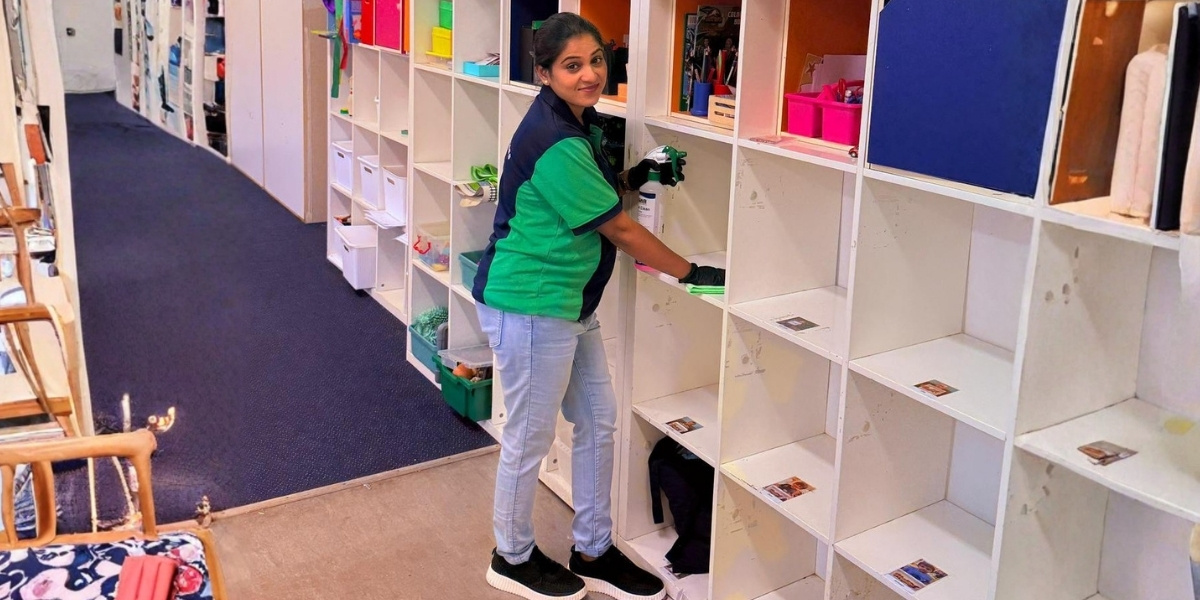
Shelves, cabinets, and stock containers should be dusted and sanitised to prevent contamination of medical supplies. Keeping storage areas organised also supports efficient inventory management.
6. Corridors, Hallways, and Stairwells
The flooring, door frames, light switches, and railings in stairwells and corridors are often used and need to be cleaned frequently to preserve the general hygienic conditions of the building. This often includes intensive Carpet Cleaning or specialized Floor Cleaning protocols to maintain safety and presentation.
7. Staff Break Rooms and Kitchens
These shared spaces require cleaning of countertops, sinks, appliances, tables, and handles to reduce microbial presence and support staff health.
8. Exterior Areas and Entry Points
Door handles, entry mats, signage, ramps, and outdoor seating areas should not be overlooked. These areas can carry pollutants and microbes from outside and need regular attention to maintain a professional and sanitary environment.
Medical Cleaning Checklist for Daily, Weekly & Monthly Tasks
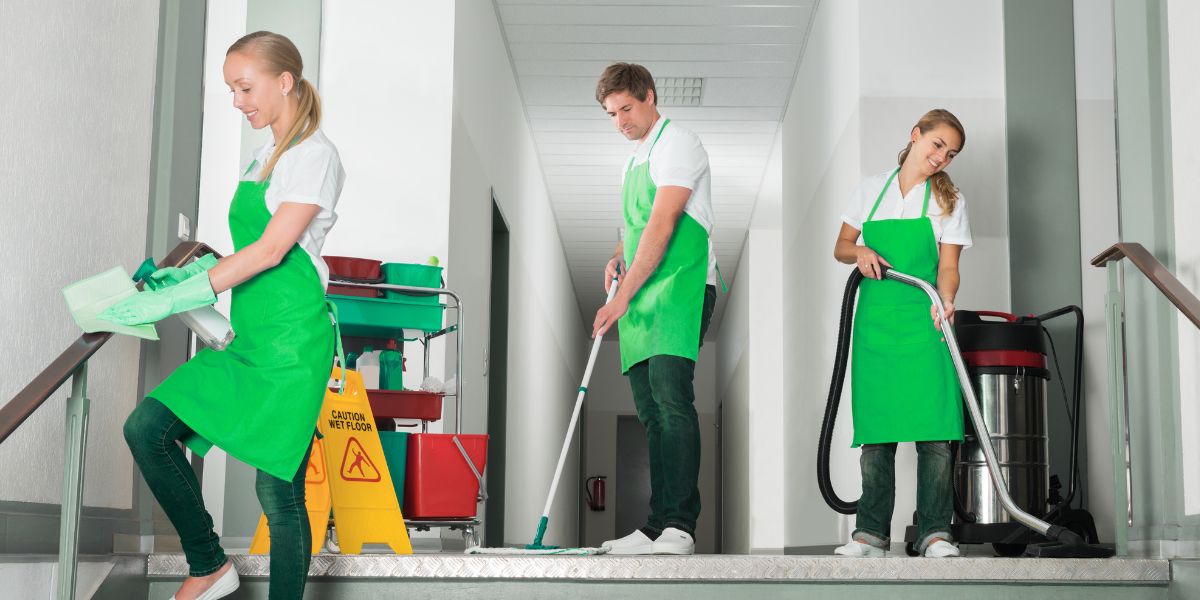
Different cleaning tasks should be performed at different intervals. Here's a breakdown of what should be done daily, weekly, and monthly at any medical facility.
Summary Cleaning Schedule
[ninja_tables id="11577"]
Daily Medical Cleaning Checklist
Use hospital-grade disinfectants and ensure cleaners wear appropriate PPE.
- Examination Rooms: Disinfect beds, countertops, and instruments after every patient.
- High-Touch Points: Wipe down door handles, light switches, and keypad entries.
- Restrooms: Sanitise toilets, sinks, soap dispensers, and mirrors.
- Waste Management: Empty clinical waste bins and replace liners using approved medical protocols.
- Floors: Vacuum or mop high-traffic walkways to prevent the tracking of pathogens.
Weekly Medical Cleaning Checklist
These tasks help maintain a higher level of hygiene and prevent bacterial build-up.
- Furniture: Damp-dust chairs, desks, and waiting room seating.
- Storage Rooms: Organise and wipe down cabinet fronts and open shelves.
- Kitchen/Break Rooms: Deep clean refrigerators (discard expired items) and sanitize microwave interiors.
- Floors: Perform wet mopping with a TGA-listed disinfectant on all hard floor surfaces.
Monthly Medical Cleaning Checklist
These jobs are critical for maintaining a professional image and meeting audit requirements.
- Vents/HVAC: Dust air conditioning vents and returns to ensure air quality.
- Walls/Vertical Surfaces: Spot clean walls for splatter or dust accumulation.
- Light Fixtures: Wipe down dust from light covers.
- Deep Clean: Move stationary furniture to clean hidden floor areas.
Frequently Asked Questions
How often should a medical facility be cleaned?
According to the 2026 standards, there is no one-size-fits-all approach. However, high-touch clinical areas must be cleaned at least daily—or more frequently if patient throughput is high. Non-clinical areas may follow a lower frequency, provided they remain dust-free.
What is the difference between cleaning, sanitising and disinfecting?
- Cleaning: The physical removal of dirt, dust, and organic matter (uses detergent and water).
- Sanitising: Reducing the number of germs to a safe level.
- Disinfecting: Using chemicals to kill germs on surfaces. In healthcare, you must prioritise disinfecting with TGA-approved products.
What PPE is required for medical cleaning?
In 2026, cleaners in medical environments must wear, at a minimum
- Disposable gloves (nitrile is preferred).
- Protective eyewear (if splashing is a risk).
- Aprons or gowns to prevent contamination of personal clothing.
- Face masks (P2/N95) if performing deep cleans or handling aerosol-generating cleaning processes.
The Future of Medical Cleaning Starts Now
A hygienic medical setting is essential to providing high-quality patient treatment. Having a well-organised and thorough medical cleaning checklist is now necessary, not optional, as demands increase in 2026. Having a solid cleaning strategy is crucial, regardless of the size of your hospital or clinic.
Companies like Hope Cleaning Services have developed specialised expertise in medical cleaning, providing valuable insights into effective practices and protocols. If you take cleaning seriously and stay on top of it, you’re doing your part to keep patients, visitors, and staff safe and comfortable. It’s all about making sure everyone can feel confident that the place is as clean and safe as it can be.