The Most Costly Medical Cleaning Mistakes Australian Healthcare Facilities Make
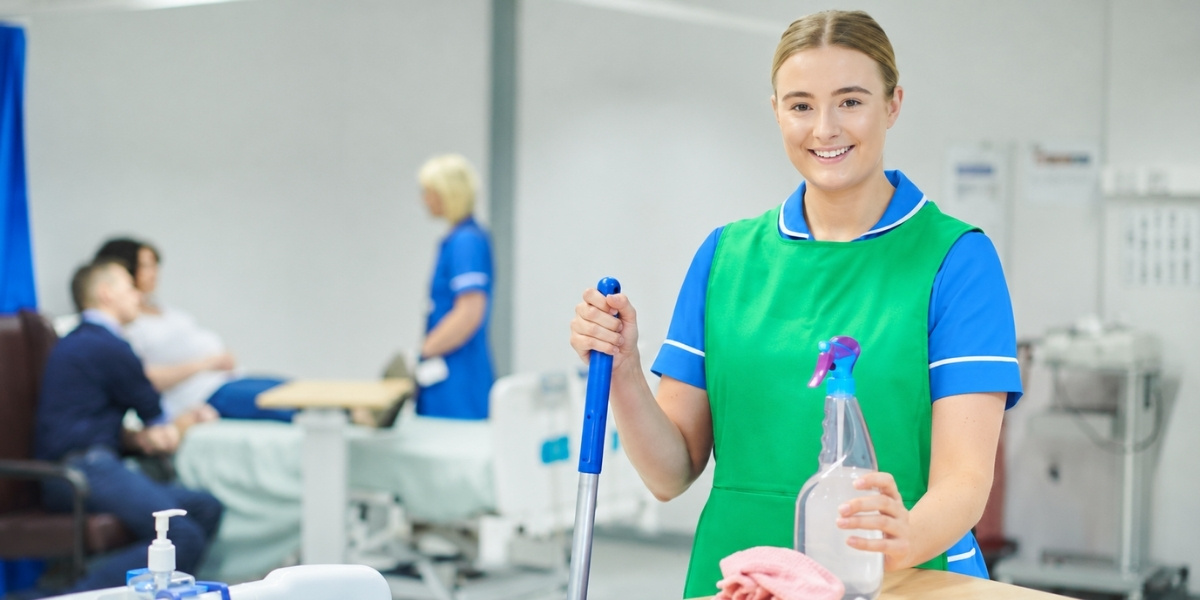
Healthcare facilities carry a unique responsibility: maintaining environments where vulnerable people receive care. Yet across clinics, hospitals, and medical centres in Sydney and beyond, certain common medical cleaning mistakes keep appearing, and the consequences can be serious. Hospital-acquired infections (HAIs) affect thousands of Australians each year, and many are directly linked to inadequate cleaning practices. This article breaks down the most frequent errors, explains why they matter, and offers practical guidance to help your facility do better.
Skipping the Pre-Cleaning Step Before Disinfection
One of the most widespread medical cleaning mistakes is jumping straight to disinfection without pre-cleaning first. Disinfectants cannot effectively penetrate surfaces coated in organic matter, such as blood, body fluids, dust, or grease act as physical barriers that neutralise the active ingredients before they can do their job.
Healthcare cleaning must follow a two-step process
- Step 1 — Pre-clean: Remove visible soil and debris using detergent and water
- Step 2 — Disinfect: Apply a TGA-approved disinfectant at the correct dilution and allow adequate dwell time
Dwell time is frequently overlooked. Most disinfectants require a minimum contact period, often two to ten minutes, to achieve the kill claims listed on the label. Wiping a surface immediately after application renders the product far less effective.
Additionally, the disinfectant product itself matters enormously. Using non-TGA-approved products, incorrect concentrations, or expired solutions introduces false confidence. Facilities should maintain a register of approved products, check expiry dates regularly, and train staff to dilute correctly using measuring tools rather than estimating by eye.
Ignoring High-Touch Surfaces and Cross-Contamination Risks
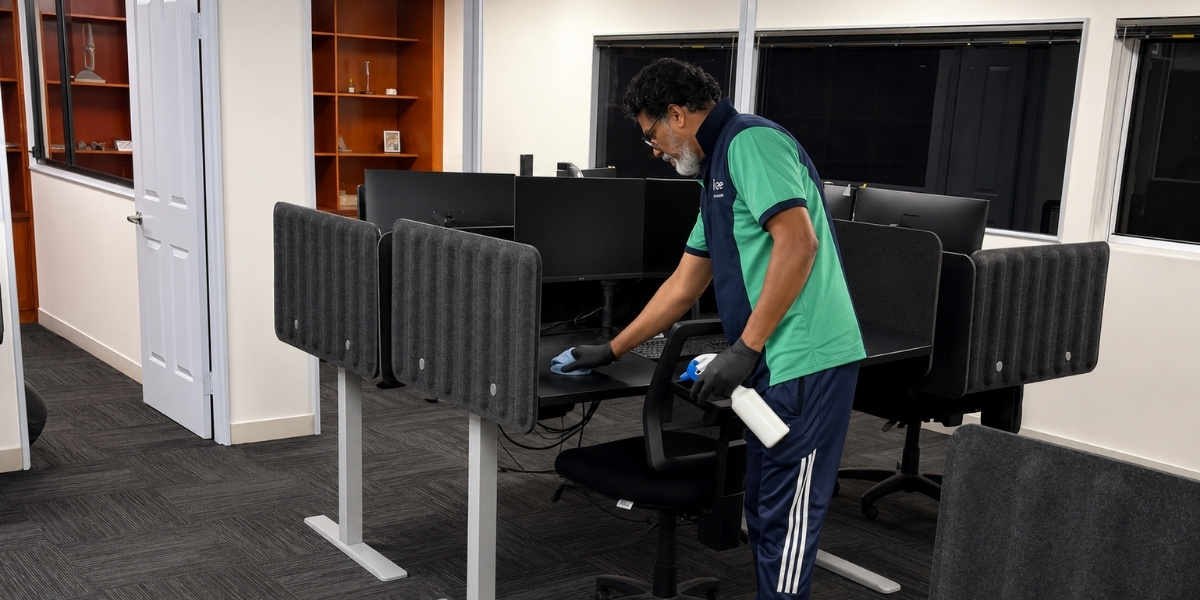
High-touch surfaces, door handles, light switches, handrails, patient call buttons, reception tablets, and tap fittings are among the most bacteria-laden areas in any medical environment. Yet they are frequently missed during cleaning rounds simply because they are not the most visually prominent surfaces.
Establishing a written checklist that explicitly names high-touch zones ensures these areas receive consistent attention. The checklist should be room-specific, signed off after each clean, and audited regularly.
Cross-contamination is an equally critical issue. Using the same cloth to clean a patient bathroom and then a reception desk defeats the entire purpose of cleaning.
Colour-coded microfibre cloths are the industry-standard solution
- Red — toilets and bathrooms
- Yellow — clinical risk areas
- Blue — general surfaces and low-risk areas
- Green — food preparation or kitchen areas
Cloths should be laundered or replaced between zones, never rinsed and reused within the same session without proper decontamination. Hope Cleaning Services incorporates colour-coded systems as a standard protocol across all medical facility contracts.
Chemical Misuse and Improper Biohazardous Waste Disposal
Chemical mismanagement is a genuine safety hazard in healthcare settings. Mixing cleaning chemicals, even accidentally can create toxic reactions. Bleach combined with ammonia-based products, for example, produces chloramine vapours that are harmful to lungs and airways. Staff must be trained to identify chemical categories and understand that more product does not mean better results.
Proper chemical handling includes
- Storing chemicals in labelled, original containers
- Never mix products unless explicitly directed by the manufacturer
- Wearing appropriate PPE — gloves, eye protection, and aprons as required
- Following Safety Data Sheets (SDS) kept accessible in the cleaning area
Biohazardous waste disposal is a separate but equally serious concern. Sharps, contaminated dressings, and clinical waste must be segregated into the correct colour-coded bins and removed according to local council and state health regulations. Disposing of clinical waste in general rubbish streams is not only unsafe, it is illegal. Facilities should have a documented waste management procedure reviewed annually.
Inconsistent Schedules and Inadequate Staff Training
Even the best cleaning protocols fail when they are applied inconsistently. High-traffic medical environments require cleaning at defined intervals, not whenever staff are available or the space looks dirty. A structured schedule distinguishes between routine daily cleans, periodic deep cleans, and outbreak response procedures.
Equally problematic is insufficient staff training. Medical cleaning is a specialised discipline, and general commercial cleaning knowledge does not automatically transfer. Staff must understand infection control principles, the difference between cleaning, sanitising, and disinfecting, and how to respond appropriately to clinical spills.
Training should not be a one-off event. It should include
- Initial induction and competency assessment
- Refresher sessions at least annually
- Updated training whenever new products or procedures are introduced
- Clear escalation pathways when staff identify a cleaning concern
Documentation is the final piece. Audit trails, cleaning logs, sign-off sheets, inspection records provide evidence of compliance and help identify patterns when issues arise. Facilities without documented cleaning records struggle to demonstrate due diligence if an infection event occurs.
Frequently Asked Questions
How often should high-touch surfaces be cleaned in a medical facility?
High-touch surfaces in clinical settings should ideally be cleaned and disinfected at minimum twice daily, more frequently in high-traffic areas or during periods of elevated infection risk. Patient-facing equipment may require cleaning between every use.
What does TGA-approved mean for disinfectants in Australia?
TGA-approved means the Therapeutic Goods Administration has assessed the disinfectant and confirmed it meets Australian standards for safety and efficacy. Using TGA-approved products ensures your facility is applying solutions with verified kill rates against targeted pathogens.
Why are colour-coded cloths important in healthcare cleaning?
Colour-coded cloths prevent cross-contamination by ensuring tools used in high-risk zones, such as bathrooms, are never used on general surfaces. This simple system significantly reduces the transfer of bacteria and pathogens between different areas of a medical facility.
Conclusion
Medical cleaning requires precision, consistency, and ongoing commitment. The mistakes outlined here, skipping pre-cleaning, misusing chemicals, neglecting high-touch surfaces, poor waste management, and inadequate training, are all avoidable with the right systems in place. For Sydney healthcare facilities looking to close these gaps, working with a specialist provider such as Hope Cleaning Services can bring structure and accountability to cleaning operations. Prioritising infection control is not just a regulatory requirement; it is a fundamental commitment to the safety of every patient, visitor, and staff member who walks through your doors.