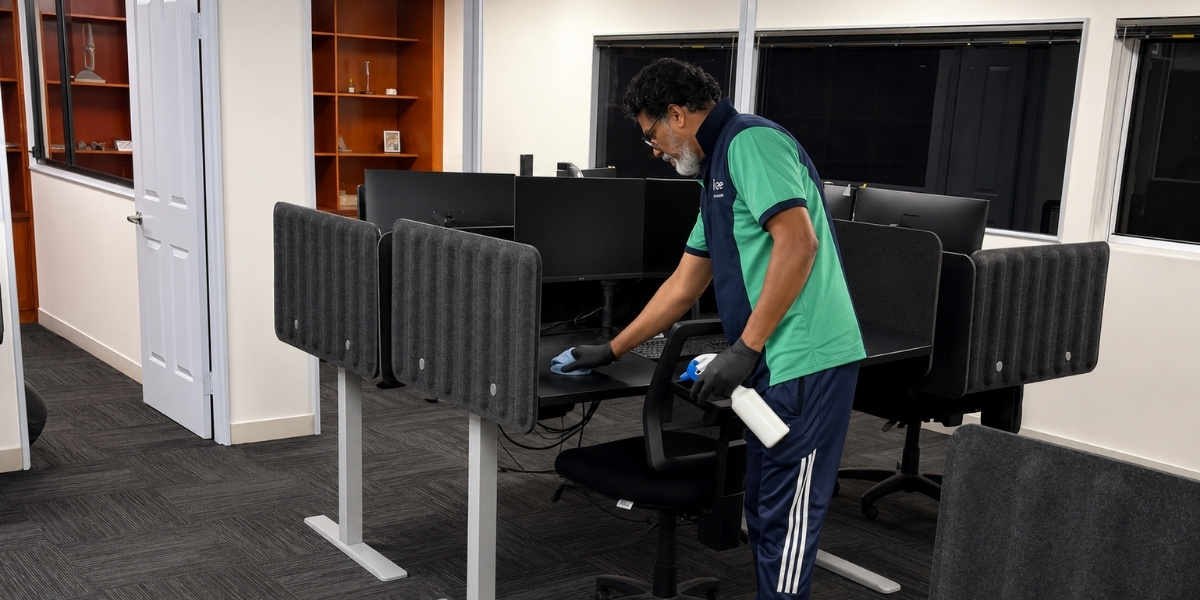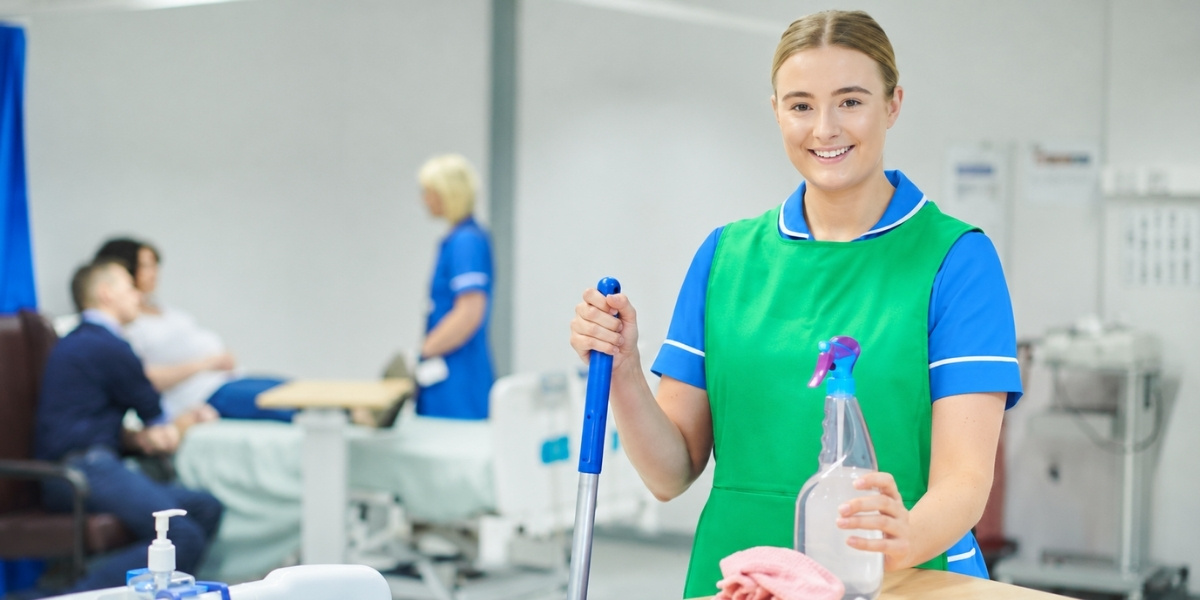
How Medical Cleaning Differs From Standard Commercial Cleaning
Standard commercial cleaning deals with what you can see: visible soil and general presentation. Medical cleaning targets hazards the eye never registers, such as bacteria, viruses, blood-borne pathogens, and biofilms that cling to surfaces for weeks. Miss one high-touch point, and it becomes a reservoir for infection.
Professional medical cleaning services follow evidence-based protocols, using hospital-grade disinfectants and colour-coded systems that interrupt cross-contamination before it starts. Operatives are trained in infection control, safe chemical handling, and the correct sequence of work, so one area is never recontaminated by another.
Understanding Healthcare Cleaning Standards
Every medical facility in Australia must align with recognised healthcare cleaning standards, including guidance from the National Health and Medical Research Council (NHMRC) and state health departments. These sorts of clinical areas by infection risk, then prescribe how often and how thoroughly each is cleaned. A grasp of the common challenges of medical cleaning procedures keeps a facility audit-ready year-round.
Risk-Based Cleaning Zones
Very high risk: operating theatres, intensive care units, and procedure rooms, where frequent, rigorous disinfection is non-negotiable.
- High risk: treatment rooms, inpatient wards, and pathology areas, needing detailed daily cleaning.
- Moderate risk: waiting rooms, consultation rooms, and reception, cleaned to a defined schedule.
- Low risk: administrative offices and corridors, where standard commercial cleaning is appropriate.
Matching cleaning intensity to assessed risk keeps resources where they matter most: on areas where infection control carries real clinical weight.
Core Medical Cleaning Procedures
Good healthcare cleaning protocols follow a logical, repeatable sequence that strips contamination away without spreading it. A structured medical cleaning checklist is the simplest way to hold that sequence steady across every shift and operative.
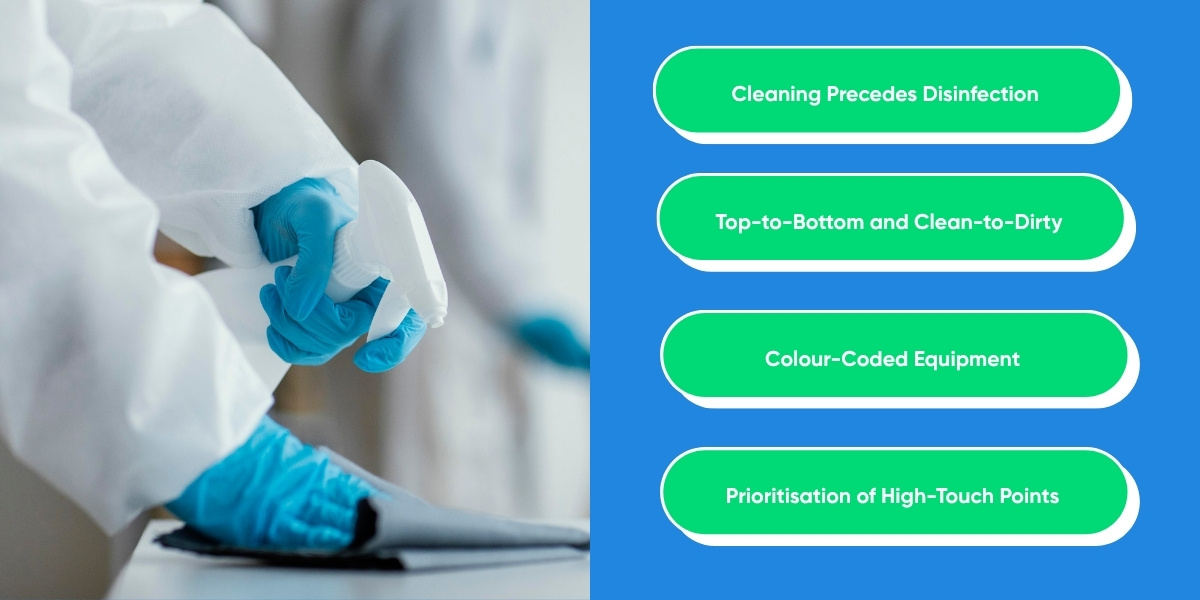
1. Cleaning Precedes Disinfection
A disinfectant cannot work on a dirty surface. Organic matter, such as blood, mucus, or dust shields micro-organisms from the chemical. Clean with detergent first, then disinfect to inactivate remaining pathogens. Skip the first step, and the second is wasted.
2. Top-to-Bottom and Clean-to-Dirty
Operatives work from the highest surfaces downward, so dislodged dust falls onto untreated areas rather than finished ones. The same logic runs horizontally: work moves from cleanest zones toward the most contaminated, never back into a clean area.
3. Colour-Coded Equipment
Colour coding is a cornerstone of hospital cleaning. Dedicated cloths and mops are assigned to bathrooms, clinical areas, kitchens, and general spaces. That one habit sharply cuts the risk of carrying contamination from a high-risk surface to a low-risk one.
4. Prioritisation of High-Touch Points
Consider everything a hand brushes in a clinic: door handles, light switches, bed rails, call buttons, taps, keyboards. These carry the heaviest microbial load in the room, so they deserve disinfection throughout the day, not just at the scheduled clean.
Essential Safety Protocols for Cleaning Staff
Medical cleaning exposes staff to real hazards, from chemical contact to biohazardous waste. Protecting the people who do this work matters as much as protecting patients.
- Personal protective equipment (PPE): gloves, masks, gowns, and eye protection, chosen to suit the task.
- Safe handling and dilution of hospital-grade chemicals, strictly to the manufacturer's instructions.
- Correct segregation and disposal of clinical and sharps waste in approved containers.
- Hand hygiene before and after every task, observing the recognised moments.
- Prompt reporting and management of any blood or bodily-fluid spill.
Reputable medical cleaning services keep training running, so staff stay current as infection control guidance evolves.
Managing Infectious Spills and Biohazards
Treat every spill of blood or bodily fluid as infectious. Contain the area, absorb and remove the spill, clean with detergent, then disinfect with an appropriate agent. Everything contaminated goes out as clinical waste. Document the incident, since that record serves both compliance and ongoing improvement.
The Role of Professional Medical Cleaning Services
In-house staff can handle routine tasks, and often do them well. But professional commercial cleaning specialists bring what is harder to assemble internally: trained teams, validated processes, and clear accountability. They know what auditors look for and tailor schedules to the facility's risk profile.
An experienced provider also frees clinical staff to focus on patient care. At Hope Cleaning Services, our teams are trained in healthcare cleaning protocols and apply proven medical cleaning procedures systems that help medical facilities across Sydney meet their compliance and infection-control obligations. We bring the same discipline to aged care cleaning, childcare cleaning, and dental office cleaning.
Establishing a Reliable Cleaning Schedule
What separates a compliant facility from a vulnerable one is consistency. A sound schedule spells out what gets cleaned, how often, by whom, and to what standard, folding in daily cleans, periodic deep cleans, and documented escalation steps for outbreaks. It also needs regular auditing, by inspection or surface testing, so standards can be demonstrated rather than assumed.
Frequently Asked Questions
How often should medical facilities be cleaned?
High-risk clinical areas often need cleaning several times a day, while lower-risk spaces may need attention once. The right frequency depends on the area's assessed infection risk and patient throughput.
What disinfectants are used in healthcare cleaning?
Hospital-grade disinfectants with proven efficacy against bacteria and viruses, used according to their approved contact times. The right product depends on the surface and the level of risk.
Can general commercial cleaners handle medical cleaning?
Not on their own. Medical cleaning calls for specialised competence in infection control, chemical safety, and waste management, best left to providers who know healthcare environments.
What is terminal cleaning in healthcare?
Terminal cleaning is the thorough deep clean carried out after a patient is discharged or transferred, especially in high-risk areas. Every surface and piece of equipment is cleaned and disinfected, leaving the room safe for the next patient.
Do medical cleaners need special training?
Yes, without exception. Medical cleaners need formal training in infection control, safe chemical handling, correct PPE use, and clinical waste management, both to work safely and to meet recognised healthcare cleaning standards.
Conclusion
Sound medical cleaning procedures are woven through patient safety, staff wellbeing, and regulatory compliance; pull at one, and you find the others. By working to risk-based standards, applying protocols consistently, and bringing in experienced professionals, facilities can cut infection risk substantially and hold the confidence of those who rely on them.
To lift your cleaning to a demonstrably clinical level, Hope Cleaning Services can design and deliver a healthcare cleaning programme built around your facility's needs. Reach out whenever you're ready to discuss a safer, compliant environment.