Top Commercial Cleaning Trends Shaping Businesses
The commercial cleaning industry has transformed significantly in recent years. With shifting workplace dynamics, heightened health awareness, and innovations in cleaning technology, businesses are paying closer attention to maintaining a cleaner and safer environment. Understanding the latest commercial cleaning trends not only helps companies stay compliant with hygiene standards but also ensures employee well-being and customer satisfaction.
This article explores the most relevant trends shaping the industry today and highlights how organisations can align with them effectively.
Commercial Cleaning Trends and Best Practices for Modern Businesses
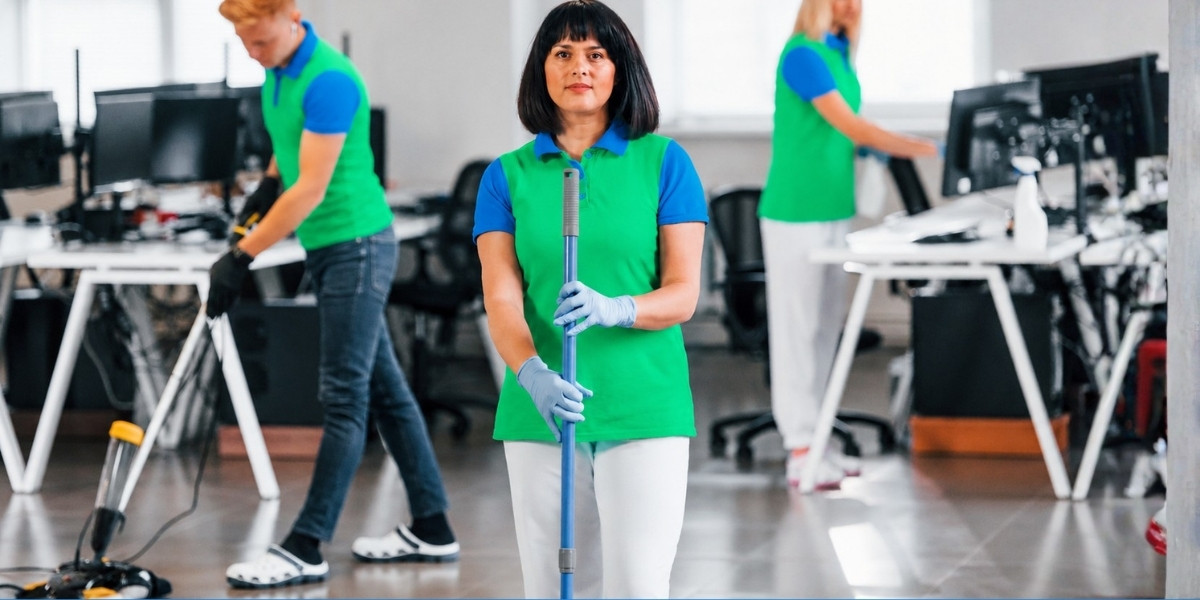
As workplaces evolve, cleaning has moved beyond being a background task to becoming a strategic priority for businesses. From ensuring compliance with health regulations to fostering employee confidence, professional cleaning is now viewed as a direct contributor to organisational success. This proactive approach not only reduces risks but also supports long-term operational efficiency.
1. Technology-Driven Cleaning Solutions
The adoption of smart technology is one of the most prominent commercial cleaning trends. Automated cleaning machines, robotic vacuum cleaners, and smart sensors are now widely used to enhance efficiency. These tools can cover large office spaces quickly, ensure consistency, and reduce reliance on manual labour for repetitive tasks.
Additionally, smart monitoring systems track cleaning schedules and provide data-driven insights, allowing businesses to optimise their maintenance routines. This move towards tech-driven cleaning is particularly beneficial for large commercial spaces such as shopping centres, hospitals, and corporate offices.
2. Eco-Friendly Cleaning Practices
Sustainability isn’t just a trend anymore; it’s become a responsibility. Businesses today are looking for cleaning solutions that don’t just get the job done, but also reduce their environmental footprint. That means swapping out harsh chemicals for biodegradable alternatives, using less water where possible, and finding smarter ways to clean without waste.
Professional cleaners are now leading the way with greener products that are safe for both people and the spaces they work in. Many companies are even investing in reusable cloths and tools instead of disposables, showing that being eco-conscious goes hand in hand with running a responsible business.
3. Enhanced Focus on Health and Hygiene
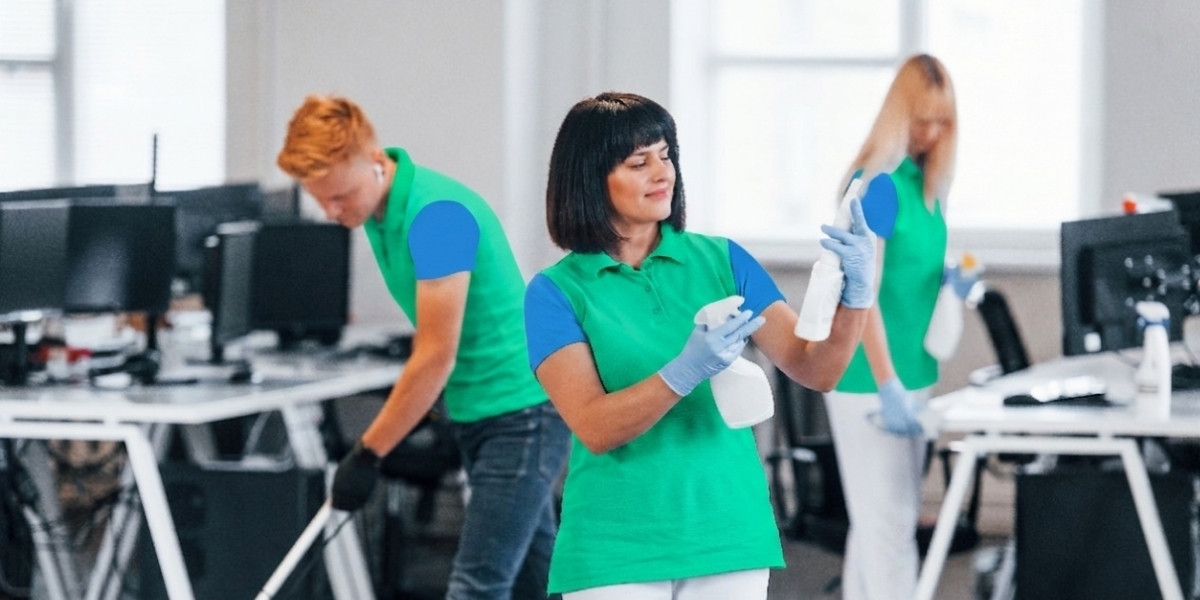
Post-pandemic realities have permanently altered the way businesses view hygiene. High-touch areas such as door handles, lifts, and shared equipment now receive more frequent disinfection. One of the key commercial cleaning checklist items for most businesses is ensuring regular sanitisation of common spaces like break rooms, washrooms, and meeting areas.
This heightened focus has created an increased demand for antimicrobial coatings and advanced disinfectants designed to provide long-lasting protection. Organisations now view robust cleaning practices as a preventive measure against illnesses and absenteeism, directly contributing to productivity.
4. Customised Cleaning Plans
Every business operates differently, and cleaning requirements vary depending on industry, space usage, and customer expectations. One-size-fits-all cleaning is no longer practical. Instead, tailored cleaning solutions are becoming standard practice.
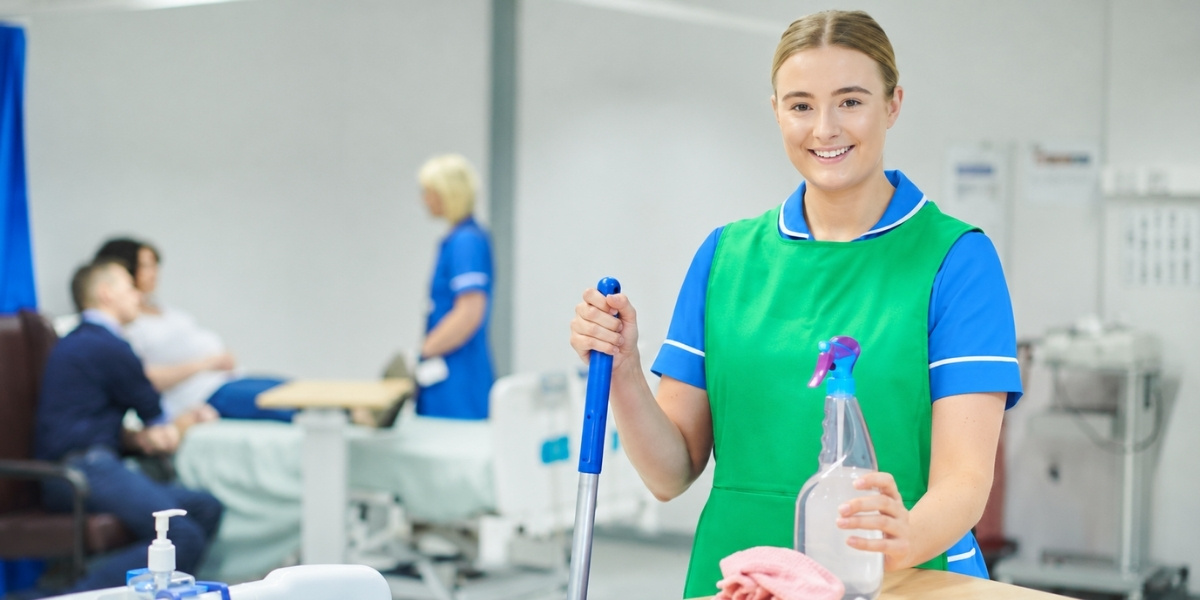
For example, restaurants and healthcare facilities require far more stringent cleaning than corporate offices. Professional commercial cleaners now offer personalised cleaning schedules and checklists that align with specific needs, ensuring compliance with industry regulations and providing peace of mind to business owners.
5. The Rise of Outsourced Cleaning Services
Many organisations are recognising the cost and efficiency benefits of outsourcing. By working with professional cleaning companies, businesses gain access to trained staff, specialised equipment, and reliable processes without having to manage these internally.
Outsourcing also allows companies to scale services up or down depending on demand. This flexibility makes it easier for businesses to adapt to seasonal changes, special events, or unexpected hygiene concerns.
6. Touch-Free Cleaning Innovations
Another growing trend is touch-free technology. Automated hand sanitisers, touchless soap dispensers, and sensor-based taps are now widely integrated into office and retail environments. Not only do they reduce the spread of germs, but they also create a modern and seamless user experience.
Incorporating such innovations into workplace environments has become a hygiene standard rather than a luxury. These upgrades are also increasingly being added to commercial cleaning checklists for new office designs and refurbishments.
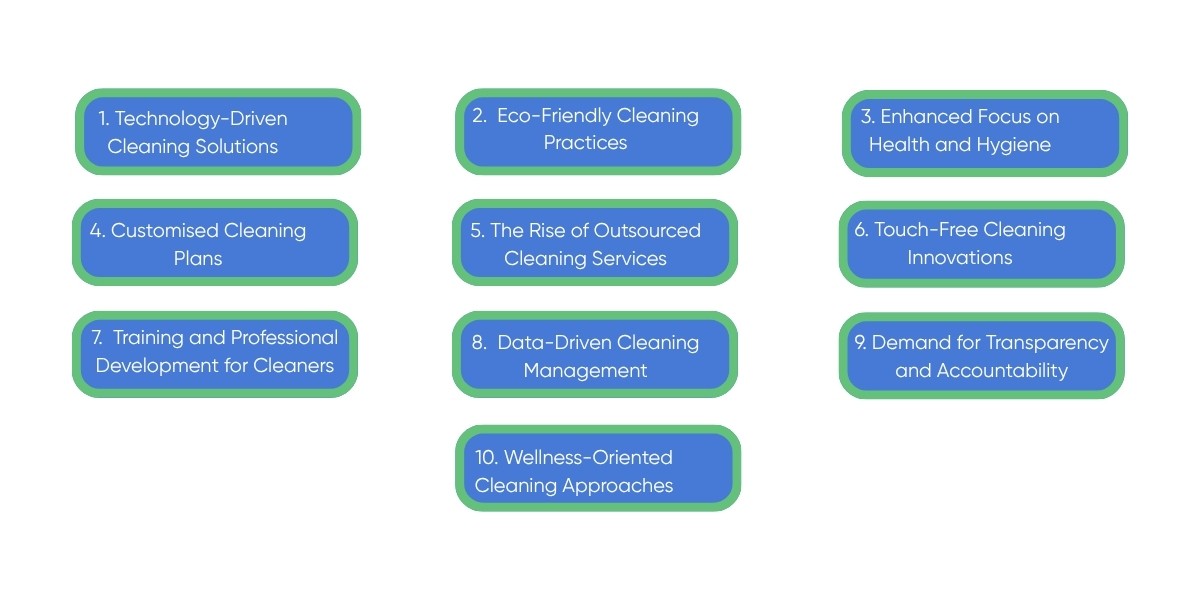
7. Training and Professional Development for Cleaners
The role of a cleaner today goes far beyond simple dusting or mopping. With evolving health regulations, cleaning staff need to be equipped with knowledge of proper sanitisation, chemical handling, and even emergency response protocols.
Many companies are investing in staff training programmes to enhance cleaning quality and safety standards. This professionalisation of the industry not only boosts customer confidence but also improves staff morale.
8. Data-Driven Cleaning Management
Modern facilities management increasingly uses data analytics to improve efficiency. IoT (Internet of Things) sensors, occupancy counters, and cleaning management software provide valuable information about building usage.
This data helps determine which areas need cleaning most frequently and when, making cleaning schedules more strategic. As a result, resources are better allocated, costs are reduced, and spaces remain consistently well-maintained.
9. Demand for Transparency and Accountability
Today’s businesses want assurance that their cleaning provider is reliable and thorough. Transparency in processes, clear communication, and accountability through checklists and progress reports are becoming standard expectations.
Digital apps now allow clients to track completed cleaning tasks, review inspection reports, and request services instantly. This trend not only builds trust but also strengthens long-term partnerships between companies and cleaning service providers.
10. Wellness-Oriented Cleaning Approaches
Beyond just cleaning surfaces, modern businesses are embracing holistic wellness strategies. This involves improving indoor air quality, using hypoallergenic cleaning agents, and creating environments that support mental and physical health.
Such measures not only benefit employees but also enhance customer experience in public-facing industries like retail and hospitality.
The Importance of a Commercial Cleaning Checklist in Modern Business Trends
As cleaning practices evolve, having a structured commercial cleaning checklist is more important than ever. A checklist ensures that no critical area is overlooked, tasks are performed systematically, and compliance with health regulations is maintained.
For example, a typical checklist may include
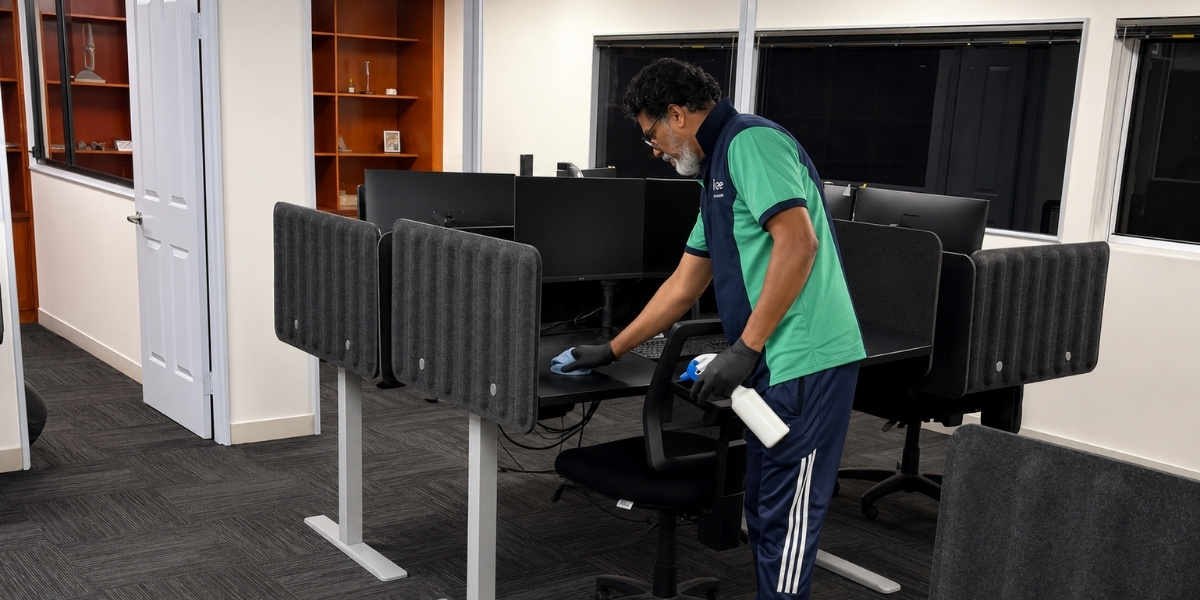
- Daily cleaning of desks, chairs, and workstations
- Disinfection of high-touch points such as switches and handles
- Regular deep cleaning of carpets and upholstery
- Waste disposal and recycling protocols
- Scheduled sanitisation of restrooms and kitchens
Businesses that follow a consistent checklist are better prepared to maintain high standards of cleanliness and safety.
Build Smarter and Safer Workplaces
The future of commercial cleaning lies in a balance between technology, sustainability, and customisation. From eco-friendly practices to data-driven insights and tailored cleaning schedules, the industry is rapidly evolving to meet new challenges.
By staying aligned with these commercial cleaning trends, businesses can create healthier workplaces, foster productivity, and improve overall client and employee satisfaction. Partnering with experienced providers such as Hope Cleaning Services ensures access to reliable, modern, and effective cleaning solutions that reflect the latest industry standards.